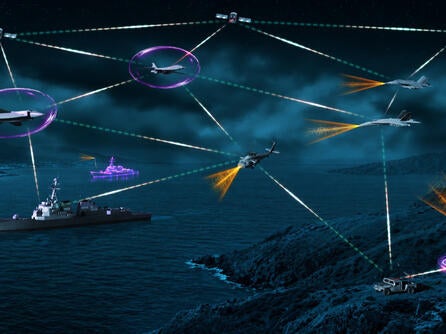
The battlefield advantage has always belonged to the side that sees first and decides fastest. For the U.S. Army, the Tactical Intelligence Targeting Access Node, known as TITAN, represents a generational leap in how that advantage is built and sustained.
TITAN is the Army's next-generation, artificial intelligence-enabled ISR ground station, designed to compress the time between sensing a threat and acting on it. Where legacy systems require extensive analysis pipelines and place significant burden on the operator, TITAN pulls intelligence from every domain and delivers it to commanders faster, cleaner and more effectively than anything that has come before it.
It is now in production.
A Partnership Built to Execute
L3Harris serves as lead communications systems integrator for the TITAN program, providing the architecture that makes the system's intelligence capabilities possible. That includes tactical multi-domain waveforms; positioning, navigation and timing; and satellite communications.
Palantir leads the software and AI layer that turns raw ISR data into actionable intelligence. Together, the two companies have driven a meaningful reduction in the analysis burden required to support missions. The result is a system that not only collects intelligence but also delivers decision-quality information to commanders at a speed that legacy systems simply cannot match.
The result is a system that not only collects intelligence but also delivers decision-quality information to commanders at a speed that legacy systems simply cannot match.
The system's user management interface gives operators a single, unified view to manage multiple simultaneous network and data connections. That processing speed, combined with resilient multi-domain network connections, supports the Army's ability to target earlier, fire faster and engage at farther ranges than adversaries.
"Our partnership with Palantir is growing exponentially through this opportunity and this teamwork," said Shawn Miller, President, Spectrum Superiority, Communications & Spectrum Dominance, L3Harris. "The team is committed to rapidly pushing this capability to the field to meet warfighter needs."
A $53 Million Commitment to the Warfighter
In September 2026, Palantir awarded L3Harris a definitized $53 million contract for TITAN Production Phase IV. The award marks the program's formal transition from prototype maturation into full production and reflects the urgency with which the Army is moving to get this capability into the field.
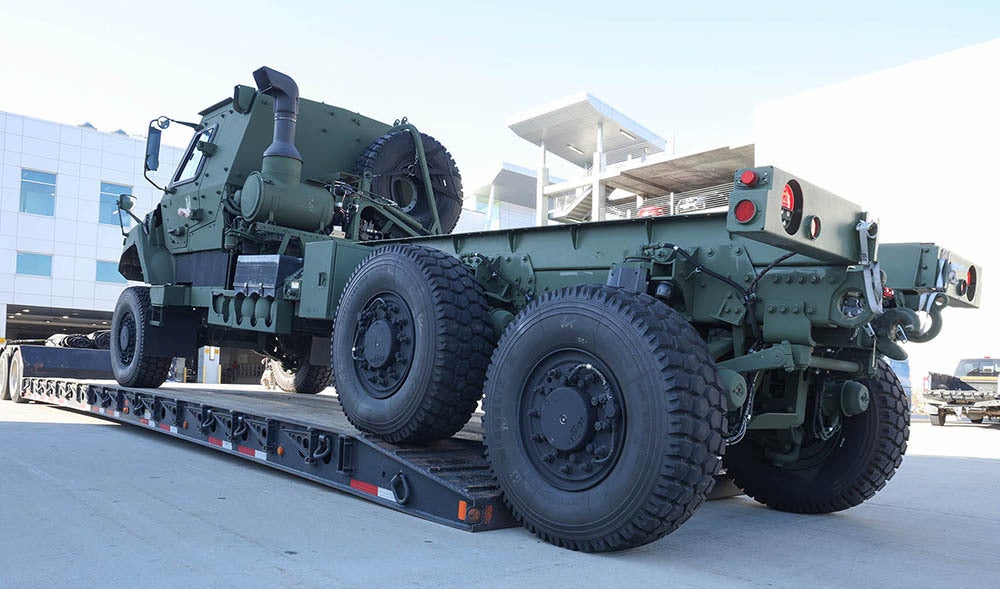
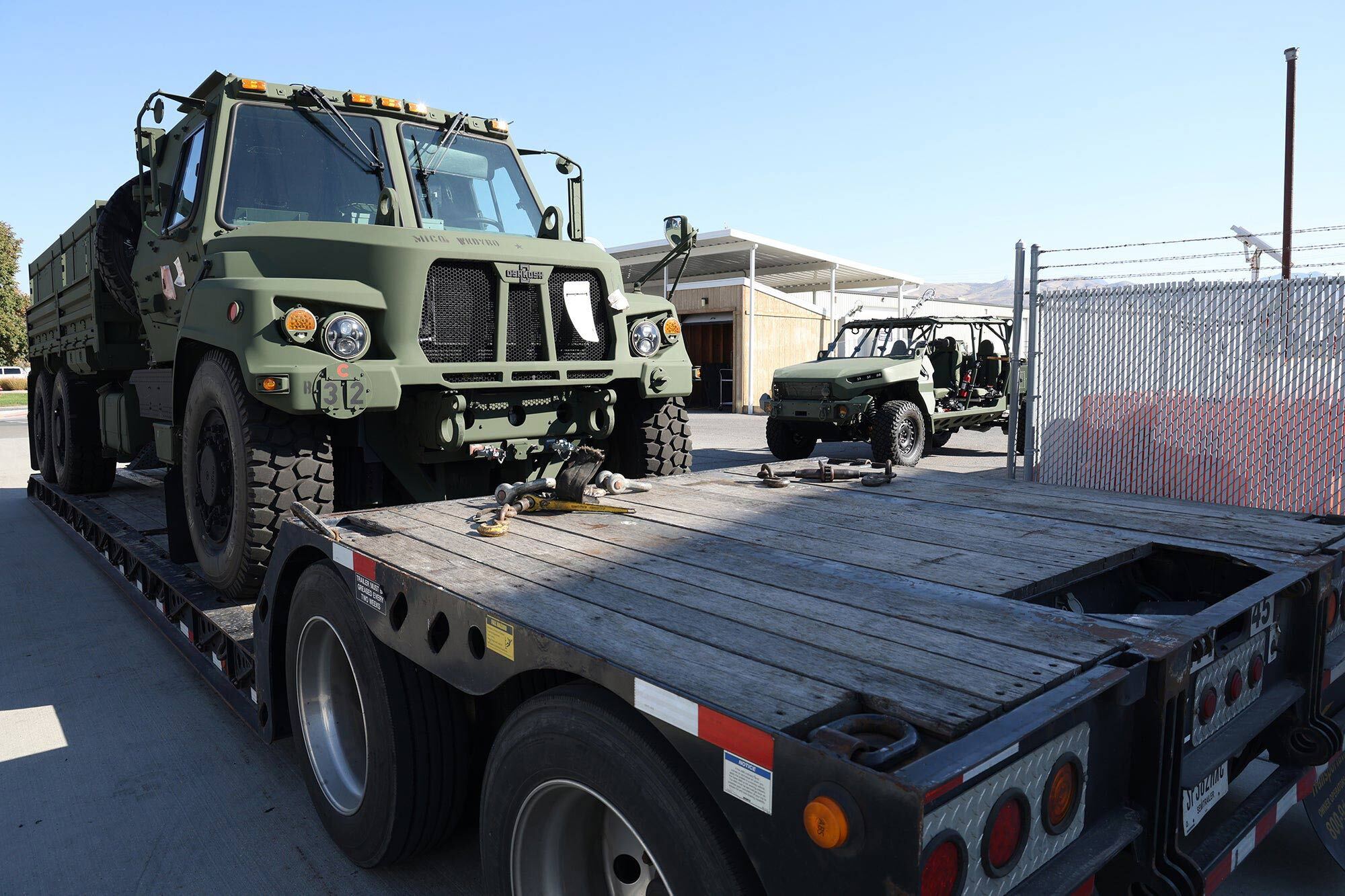
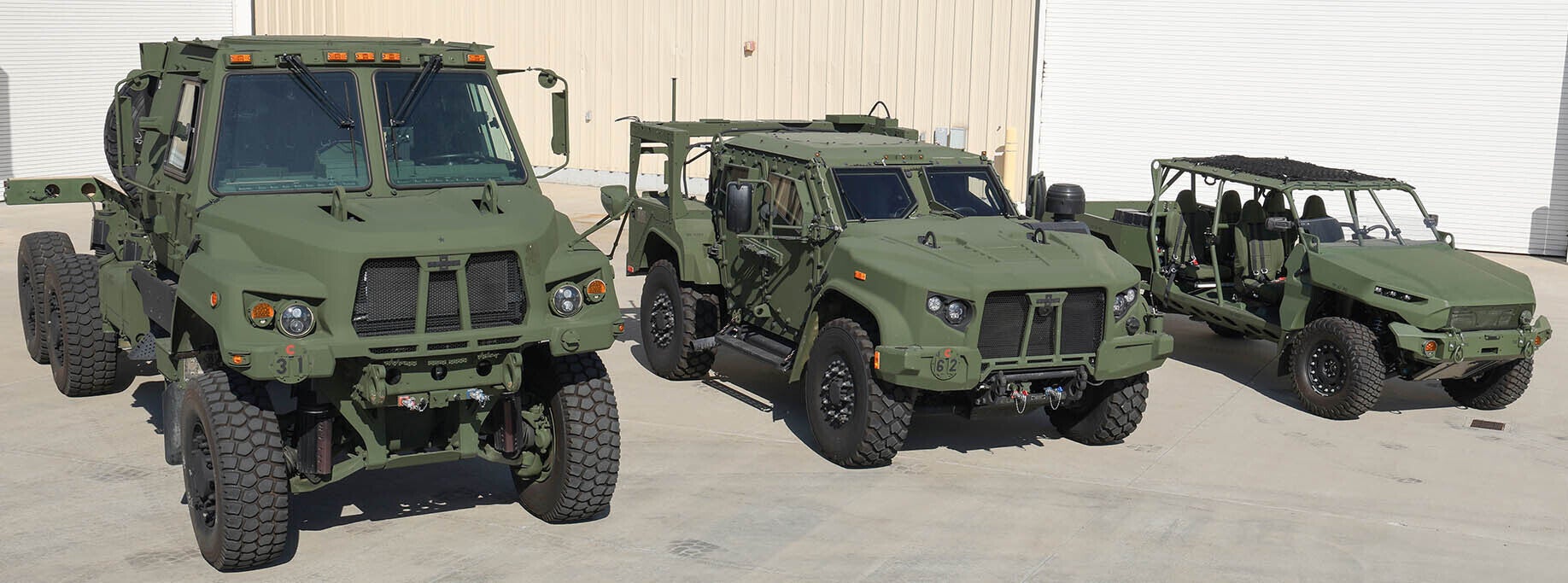
Earlier this year, Palantir tapped L3Harris as the Lead System Integrator (LSI) with all system-level integration and testing centered at the company’s Salt Lake City facility. The vehicles have arrived, and work is already underway.
What makes TITAN genuinely groundbreaking is its convergence of technologies. AI-driven analysis, resilient multi-domain communications and a unified operator interface combine to give commanders something they have never had before: a single, coherent picture of the battlespace drawn from every available intelligence source, delivered in time to act on it.
L3Harris is now in production and integrating both Advanced and Basic variant systems through integration, testing, acceptance and delivery.
“We expect delivery of the initial vehicles in early 2027," said Miller, "and the team is committed to rapidly pushing this capability to the field."
That confidence has been earned phase by phase. Through each stage of TITAN's development, the L3Harris and Palantir team has met its commitments, building the kind of execution record that turns prototype programs into production contracts.
The Capability the Warfighter Has Been Waiting For
The joint force has long sought a ground station capable of keeping pace with the speed and complexity of modern multi-domain operations. TITAN doesn’t just keep pace – it sets a new standard for what ISR ground stations can do and how fast they can do it.
That commitment is not a talking point. It is a production contract, a delivery schedule and a partnership that has proven that it delivers.
The ask was for a system that could see farther, decide faster and act with more precision than any adversary. TITAN is that system. It is the most advanced ISR ground station the Army has ever fielded, and it is on its way.