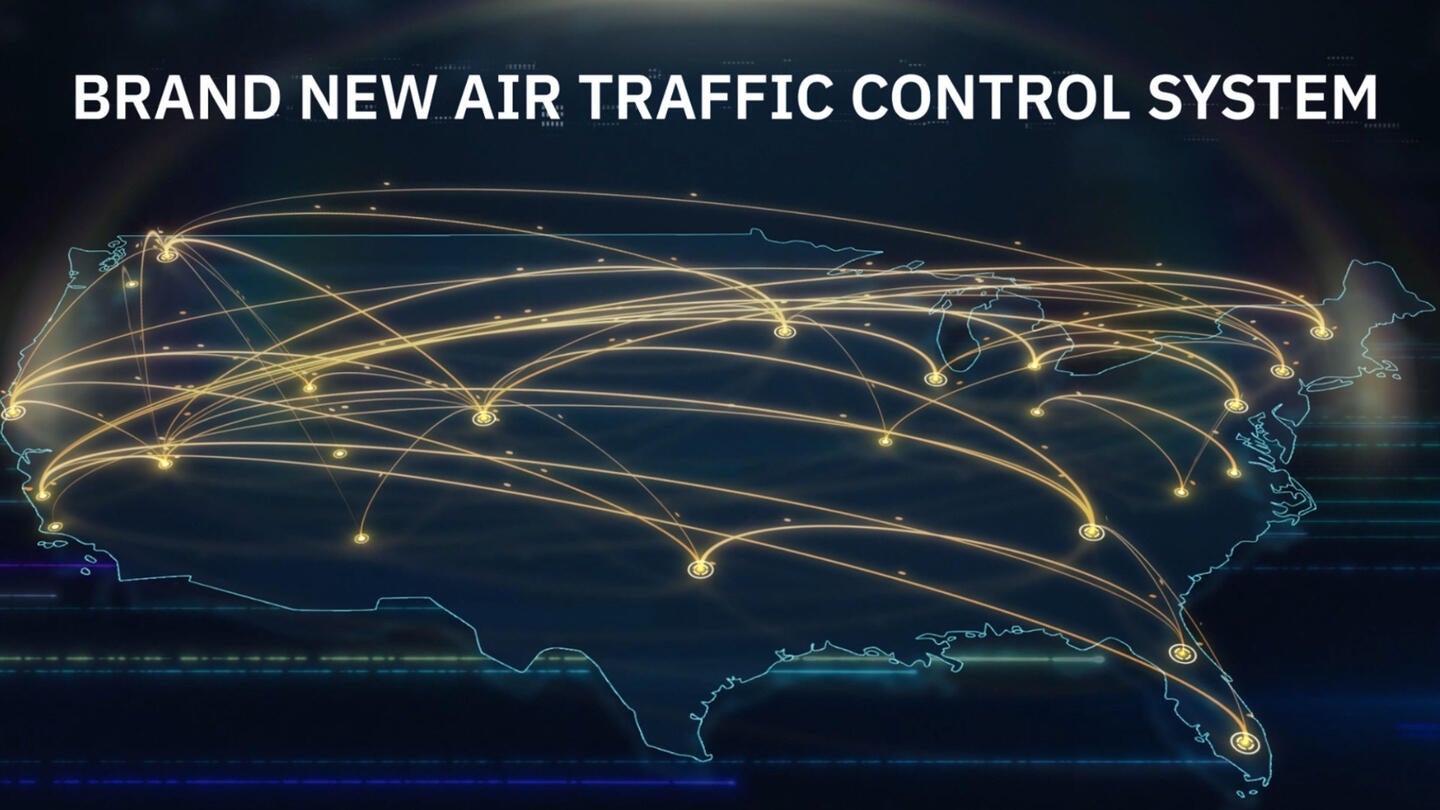
As aircraft crisscross one of America's busiest travel corridors, an invisible transformation is underway below – one most will never see, but all depend on.
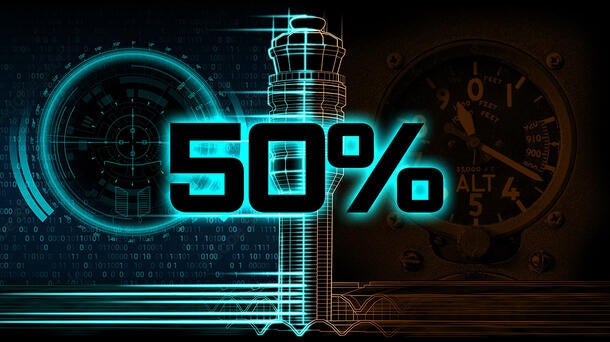
L3Harris recently reached a critical milestone in modernizing the Federal Aviation Administration's Telecommunications Infrastructure (FTI), completing 50% of a nationwide effort to rebuild the invisible backbone connecting every tower, radar facility and air traffic control center across the United States.
The achievement represents more than numbers – it's proof that large-scale infrastructure modernization can be accomplished at unprecedented speed without disrupting the 45,000 daily flights that depend on it.
Building Tomorrow's Infrastructure Today
"We're building the modern foundation needed to meet growing demand while maintaining the safest airspace in the world," said Kathy Crandall, President, Mission Networks, L3Harris. "It’s a transformation that directly benefits everyone in aviation. For the traveling public, it means enhanced safety and reduced delays. For air traffic controllers, it enables the use of modern equipment. And for airline operators, it supports more efficient, cost-effective operations."
The scale and speed are staggering: L3Harris is deploying 150-200 new network paths each month, covering every environment imaginable – from dense urban centers to remote Alaskan facilities, from sea-level coastal installations to high-altitude mountain sites. And they're doing it with zero operational disruptions.
"Operations never stop in air traffic control, so neither do we," said Chris Collings, Vice President and General Manager, Managed Services, L3Harris. "We use a 'build-then-switch' approach – installing new infrastructure while the old system runs, testing it extensively in parallel, then cutting over during carefully coordinated low-traffic periods with full backup systems in place."
More Than Modernization – Enabling the Future
While replacing aging infrastructure is critical, the real story is what this modern network enables. The network that L3Harris operates and is modernizing today serves as the foundational secure infrastructure supporting the transmission of all mission-critical and safety-sensitive services across the National Airspace System – voice, video, radar, weather, flight data and more.
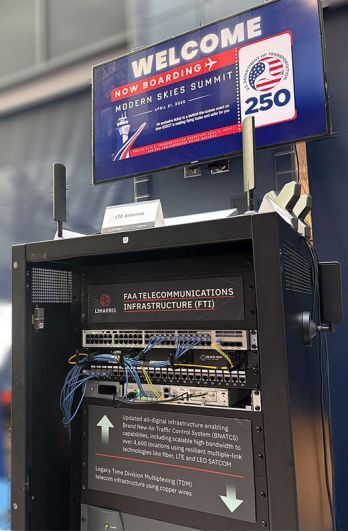
The modernized infrastructure is designed to simultaneously support legacy systems while the FAA works to modernize the rest of the NAS, enabling advanced capabilities such as digital communications between controllers and pilots, real-time weather data sharing, cloud-based information management and enhanced surveillance systems.
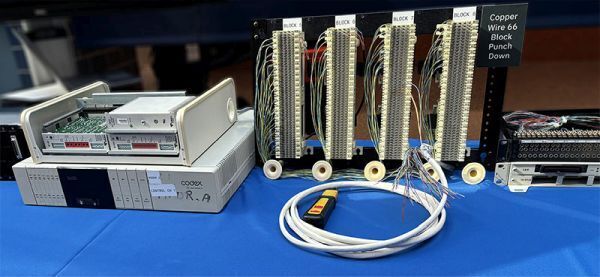
Beyond today's operations, the infrastructure is being designed for tomorrow's challenges: urban air mobility, increased drone traffic, AI-assisted air traffic management and technologies that don't yet exist.
"We're not just replacing old with new – we're building a flexible, future-proof infrastructure," Crandall said. "Software-defined networking, cloud-ready architecture and resilient communications that can adapt to whatever comes next."
A Workforce Investment in American Infrastructure
The modernization effort represents a significant investment in American jobs and expertise. L3Harris has hired approximately 200 telecommunications engineers at its Melbourne, Florida, facility and sustains a team of 250+ field technicians and engineers deployed across the United States. The company plans to add 175 additional positions in 2026.
"This is about more than technology – it's about people," Collings said. "We're building a skilled workforce capable of maintaining and evolving this critical infrastructure for decades to come. These are quality jobs supporting families and communities across the country."
The field teams work in challenging conditions – from digging trenches in austere environments to coordinating complex installations in active air traffic facilities – all while maintaining the reliability that aviation safety demands.