American Firsts: A Timeline of L3Harris Innovations That Bolstered U.S. Leadership in Tech

CH
Corporate Headquarters
Jul 16, 2026 | 2 MINUTE Read
Logos of L3Harris and America250

America emerged as a global technological powerhouse in the late 19th and early 20th centuries. American innovation has since transformed defense, aviation, space exploration and national security. Throughout its history, L3Harris and its heritage companies helped pioneer many of the capabilities that strengthened U.S. leadership and continue to support warfighters today.

This timeline highlights key moments in that legacy of invention, adaptation and mission-driven innovation:
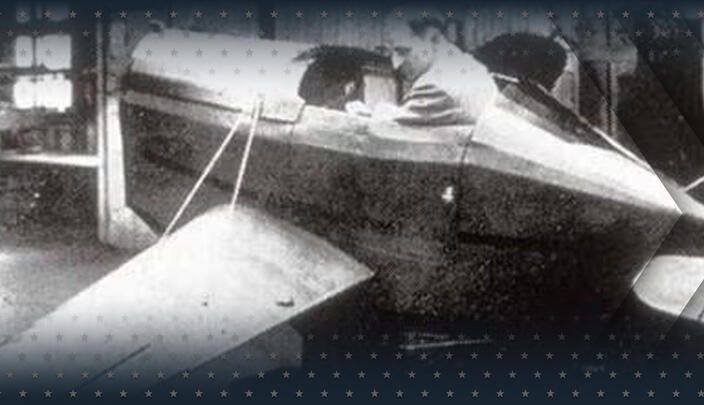
Black and white photograph of a man sitting in a small plane simulator

1929 – First Pilot Trainer

Ed Link invents the first pilot trainer in 1929 in the company’s Binghamton, New York, location. During WWII, the technology was used to train 500,000 airmen.

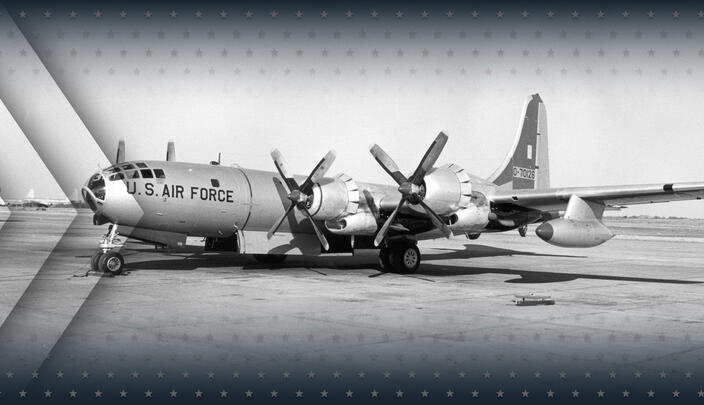
A US Air Force Jet Sits on A Runway

1955 – First Aerial Reconnaissance Programs

The first aerial reconnaissance programs modifying RB-29 and RB-50 aircraft begin in the company’s Greenville, Texas, location. Decades of similar, increasingly complex projects turn the company into the world's leading signals intelligence provider. Today, L3Harris supports fleets around the world, including RC-135 aircraft for the U.S. Air Force and the U.K. Royal Air Force.

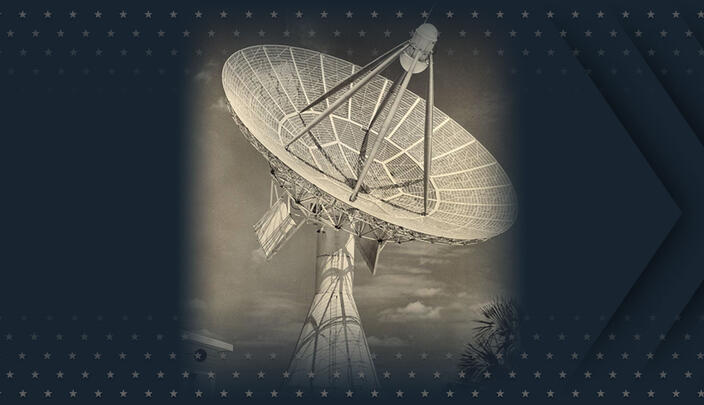
A really large antenna is aimed at the sky

1956 – First Large Spacecraft-Tracking Antenna

The company's first large 60-foot antenna is capable of tracking fast-moving missiles and spacecraft, and leads to present-day space antennas.

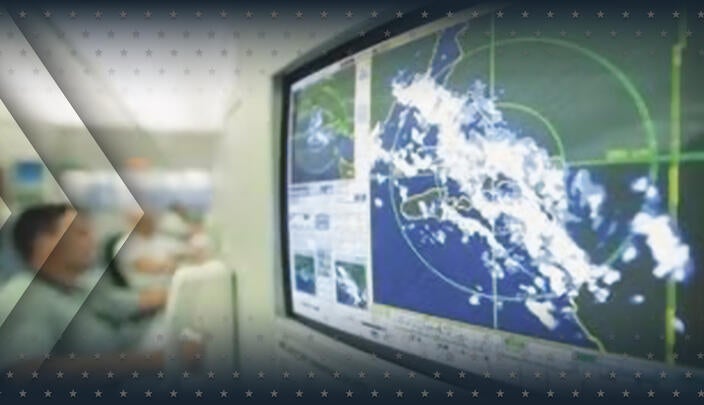
A computer monitor displays weather radar

1956 – First Doppler Weather Radar

The company’s technology drives the first Doppler Weather Radar, which becomes an essential weather forecasting tool.

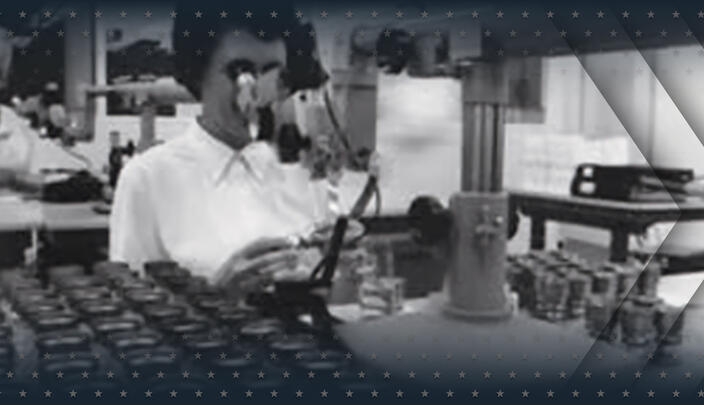
Woman looks through microscope at laboratory

1959 – First Night Vision Products

The first Traveling Wave Tube, used extensively in early night vision goggles and other devices, ships for use by warfighters.

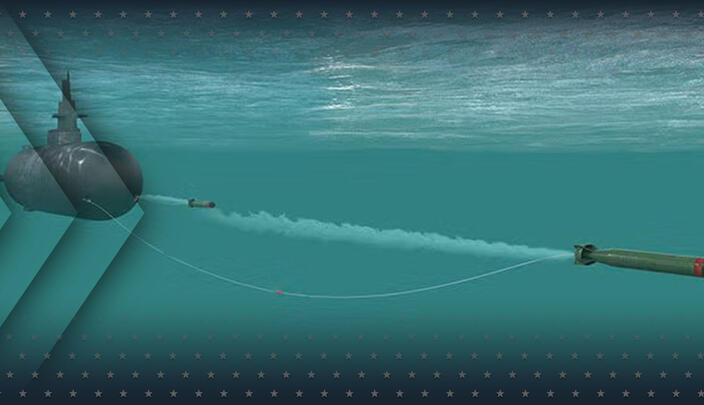
Water-submerged L3Harris IPLCS, a fiber-optic tether connecting a torpedo to the origin vessel

1974 – First Operational Fiber Optic Data Transmission System

The U.S. Navy implements a company-developed system that uses ultra-thin glass fiber to send 20 million bits of data per second. Today, L3Harris fiber-optic tethers provide unjammable communications for drones and subsea platforms, solving the critical vulnerability of radio frequency (RF) systems that adversaries routinely jam in contested environments.

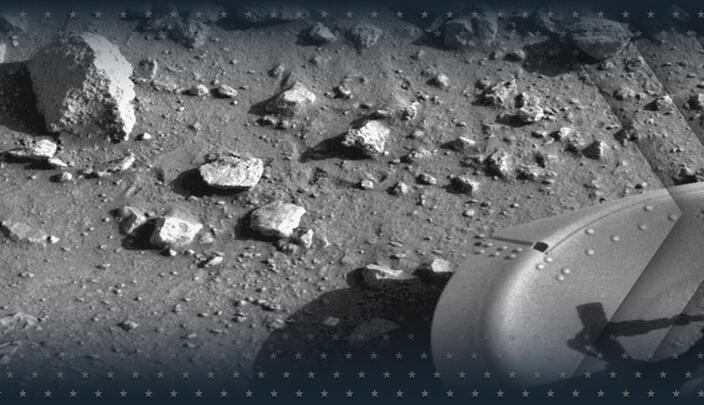
The first photograph ever taken on the surface of the planet Mars.

1975 – Enabling the First Photo from the Surface of Mars

NASA’s Viking 1 mission to Mars launches aboard a Titan IIIE-Centaur rocket whose three stages were powered by the company’s engines. The company also provided engines that were used to ease the Viking lander to the Martian surface in 1976. The mission provided the first photo ever taken on the surface of Mars.

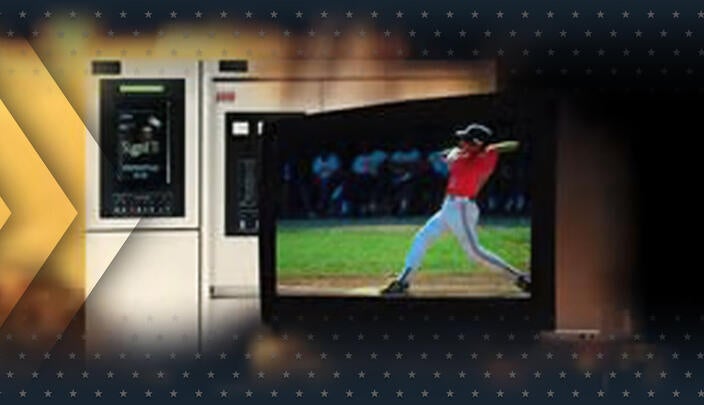
A baseball player hits a ball on a TV screen

1996 – Broadcast Transmitter Beams First Digital TV Signal

The company makes television history in North Carolina when a team of engineers and equipment experts spends 34 days installing a brand new HD transmitter that enables a small group of people from the media and TV industry to watch the first public demonstration of HD technology.

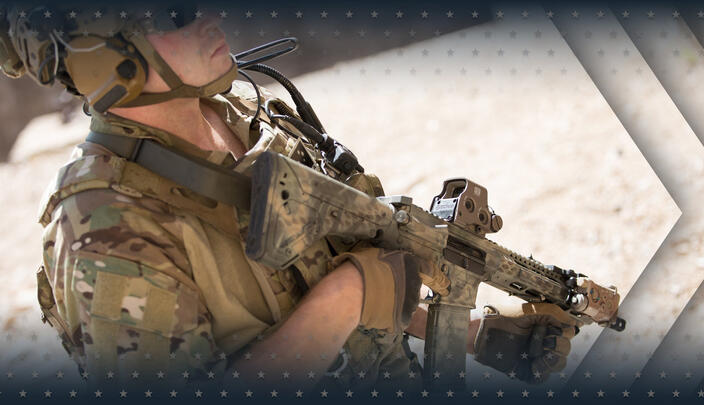
Holographic Weapon Sight (HWS)

1996 – First-Generation Holographic Weapon Sight Introduced

The company introduces the first-generation Holographic Weapon Sight (HWS) under the trade name Bushnell-HoloSight. The HWS is designed to increase target accuracy and speed of target acquisition in sport shooting and hunting applications. It wins the Optic of the Year Award from the Shooting Industry Academy of Excellence.

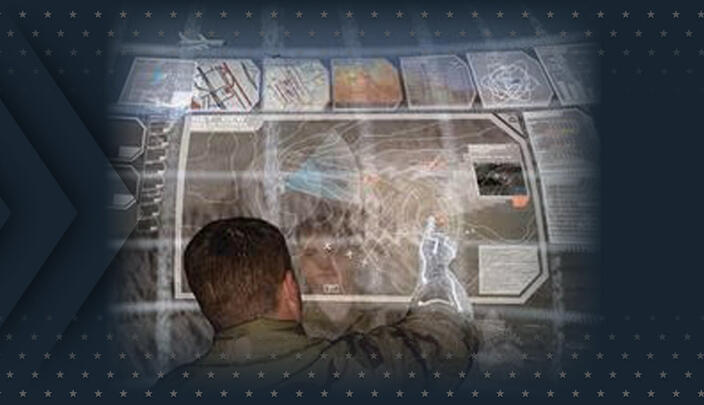
Network-Centric Collaborative Targeting System for a U.S. Air Force program

2003 – First U.S. Air Force Network-Centric Collaborative Targeting System

The company fields the first Network-Centric Collaborative Targeting System for a U.S. Air Force program, providing networking of ISR data from multiple platforms to more quickly and accurately identify and locate targets. It is the first time multiple sensors on multiple platforms are successfully networked in real time, changing the way ISR systems can be used to identify and engage targets.

BNVD-Fused - The first Fused Night Vision Googles

2004 – First Fused Night Vision Googles

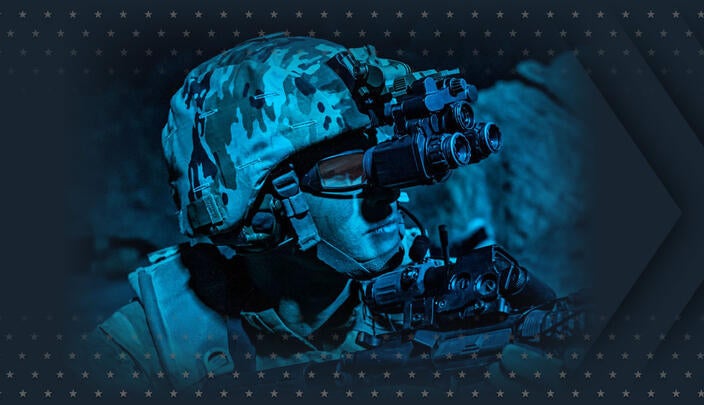
In response to the evolving needs of special operations forces during the War on Terror, L3Harris fields the first fused night vision googles, combining low-light image intensification with long-wave infrared imaging to provide greater effectiveness across varying terrain and operational environments.

WESCAM MX-15HD on helicopter

2006 – MX-15HD Becomes First Sensor to Incorporate High-Definition Video

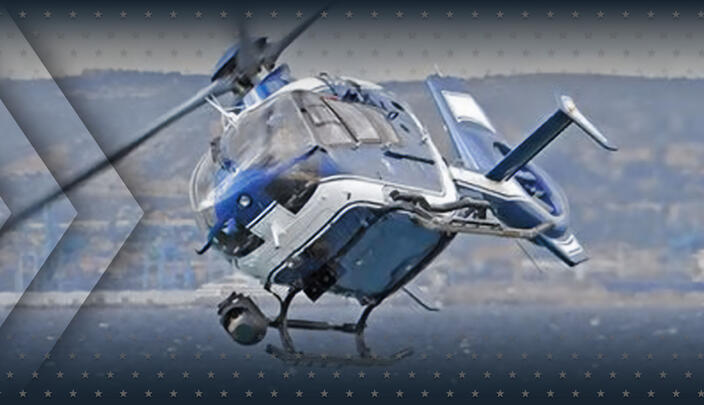
The company’s MX-15HD becomes the first electro-optical/infrared sensor to incorporate high-definition video. The system is fielded on thousands of fixed-wing, rotary wing, UAV and aerostat platforms, as well as numerous surface vehicles and marine-based platforms.

Highband Networking Radio (HNR)

2006 – First Highband Networking Radio for Military

The company’s Highband Networking Radio (HNR) is the first product to provide wireless, long-range, high-bandwidth, on-the-move communications to the military.

AN/PRC-117G manpack radio

2011 – Certification Expands Tactical Radio Leadership for Warfighters

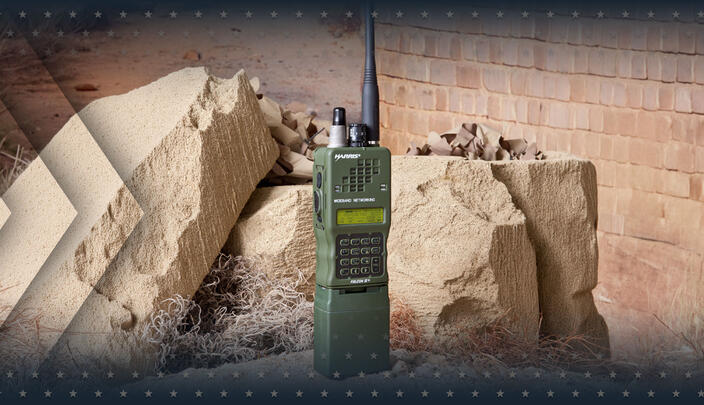
The company’s Falcon III AN/PRC-152A is the first NSA Type-1 certified handheld radio to put the power of wideband networking in the hands of the warfighter.

Mars Helicopter Ingenuity on Mars. Photo courtesy of NASA.
Photo courtesy of NASA. Mars Helicopter Ingenu...

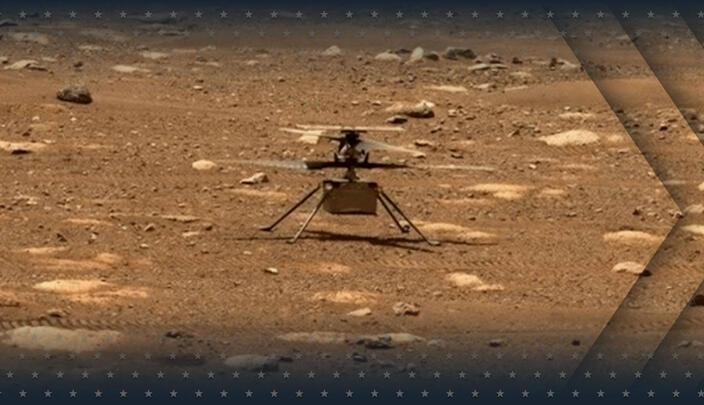
2021 – Supporting the First Powered, Controlled Flight on Another Planet

L3Harris relay communications architecture plays a role in the first powered, controlled flight on another planet. NASA’s Ingenuity helicopter relied on the company’s communications technology to return flight data to Earth during its historic operations on Mars. The company also provided a number of motors, engines and tanks to support the Atlas V rocket that launched the Perseverance rover that held the Ingenuity helicopter, and provided thrusters to help the spacecraft safely land on Mars.

Submarine Rendering

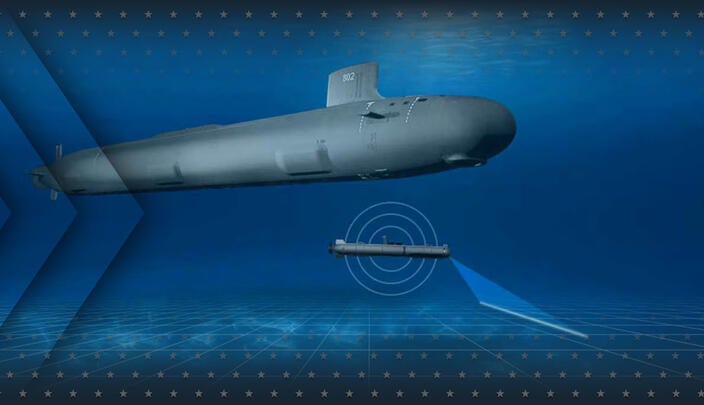
2023 – A Proven Partner in Pioneering Undersea Autonomy

L3Harris becomes the first company to accomplish a fully autonomous launch and recovery of an autonomous underwater vehicle from an underway U.S. Navy submarine, leveraging its proven Iver4 AUV technology.

Attack helicopter lands at air field

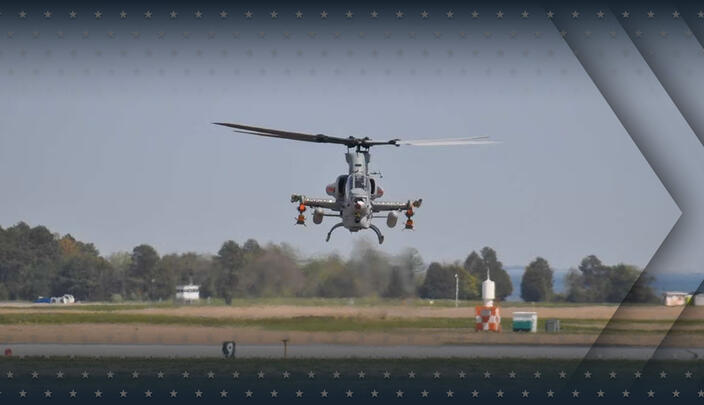
2025 – First USMC Rotary-Wing Platform to Employ a Launched Effect Using a Tablet

The U.S. Marine Corps successfully demonstrates an L3Harris solution for long-range precision fires from an AH-1Z helicopter at Yuma Proving Grounds, Arizona. The demo marked the first time a Marine Corps rotary-wing platform employed a weapon system using a tablet-controlled device.

PAC-3 MSE missile launch
Official U.S. Army photo ...

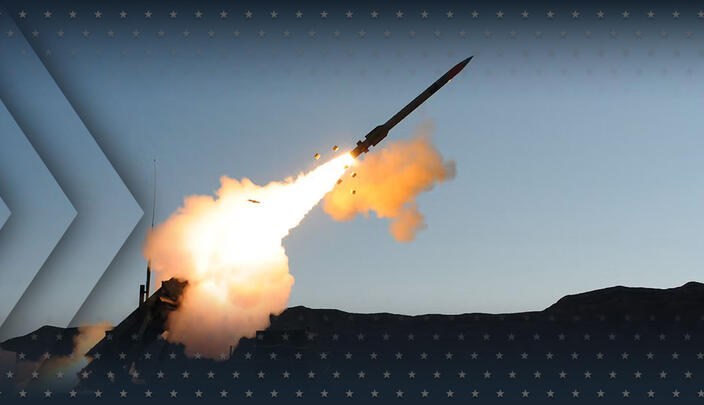
2026 – First-of-its-Kind Partnership to Rebuild the "Arsenal of Freedom”

L3Harris announces a first-of-its-kind partnership with the U.S. Department of War to significantly increase capacity to build solid rocket motors that power vital U.S. and allied missiles.

Celebrating America's 250th

Logos of L3Harris and America250

The story of American innovation is deeply interwoven with L3Harris’ past, present and future. Visit our America250 page to learn more about how our people and technologies helped to usher in new eras in aerospace and defense – and how we’re working to define what’s next.

VISIT AMERICA250 PAGE

The appearance of U.S. Department of War visual information does not imply or constitute DOW endorsement.