Propulsion Systems for the Standard Missile Program

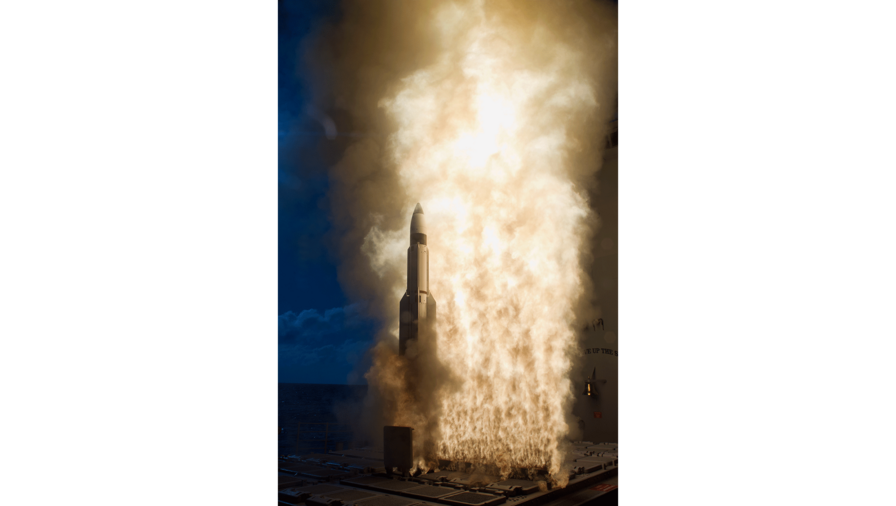
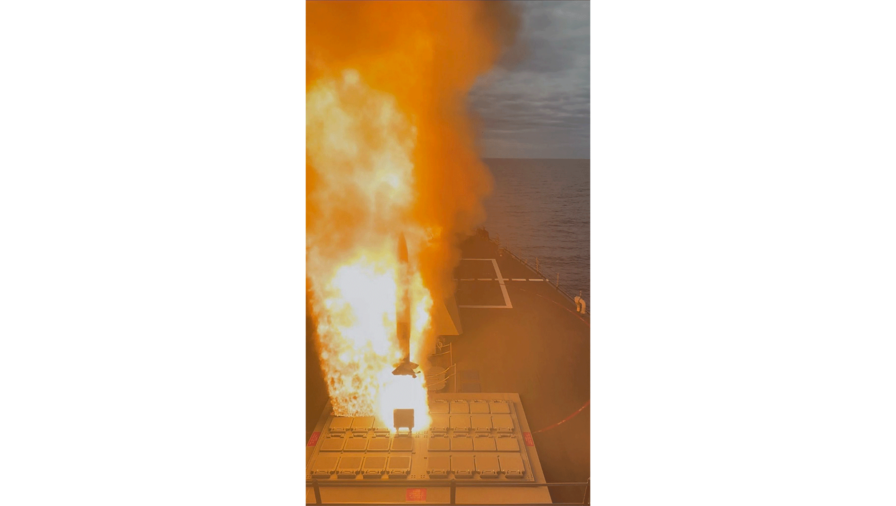
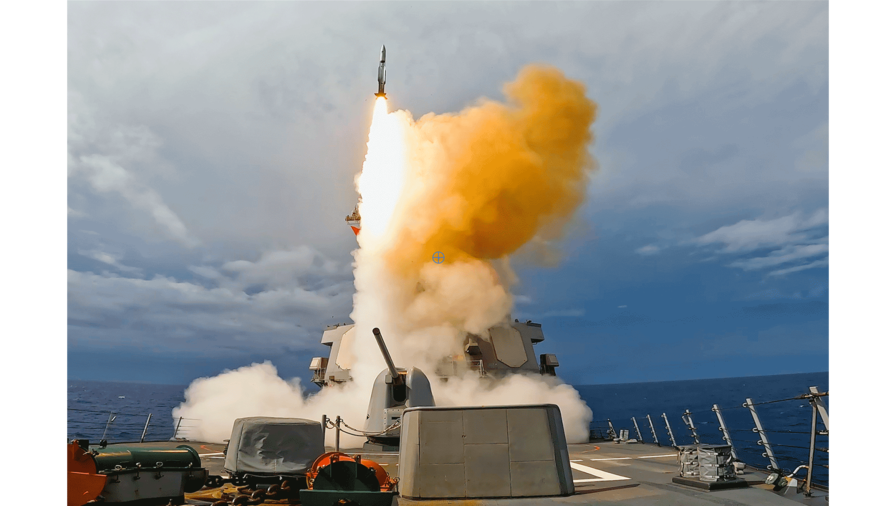
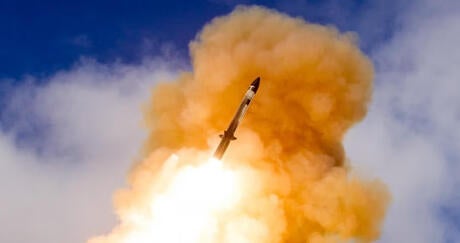
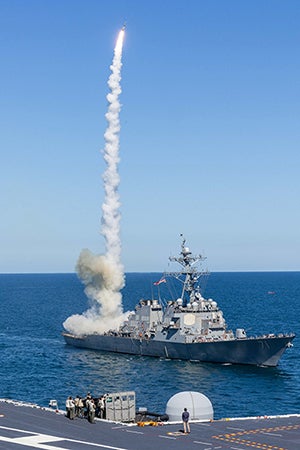
The Arleigh-Burke class guided-missile destroyer USS Ross (DDG 71) fires a Standard Missile 2 (SM-2) during the Titans of the Sea Presidential Review. The Titans of the Sea Presidential Review is one of many events taking place throughout the country to showcase maritime capabilities as part of the U.S Navy’s 250th birthday. America is a maritime nation.

The Arleigh-Burke class guided-missile destroyer USS Ross (DDG 71) fires a Standard Missile 2 (SM-2). (U.S. Navy photo).

Overview

The Standard Missile includes the following variants:

  • SM-2
  • SM-3 IB and IIA
  • SM-6

These missiles are deployed across U.S. Navy ships and allied platforms offering flexible and scalable defense solutions for a variety of missions and are integrated into multiple defense systems, including the Aegis Ballistic Missile Defense System.

With its versatility, reliability and advanced technology, the Standard Missile program continues to be a critical component of modern air and missile defense strategies.
Our Role in Propulsion

L3Harris is a critical contributor to the Standard Missile program, delivering advanced propulsion solutions ensuring mission success.

Our combat-proven propulsion systems include:

  • Mk 104 Rocket Motor – Second stage for SM-2, SM-3 IB and SM-6.
  • Mk 72 Rocket Motor – Booster/first stage for SM-3 IB, SM-3 IIA and SM-6.
  • Throttling Divert and Attitude Control System (TDACS) – Maneuvers the SM-3 kinetic warhead for precise hit-to-kill impact. Incorporating advanced throttling solid rocket technology, TDACS offers increased mission flexibility while maintaining safety.

These technologies enable multi-stage propulsion, extended range and precision targeting supporting the U.S. Navy and allied forces in the most demanding environments.

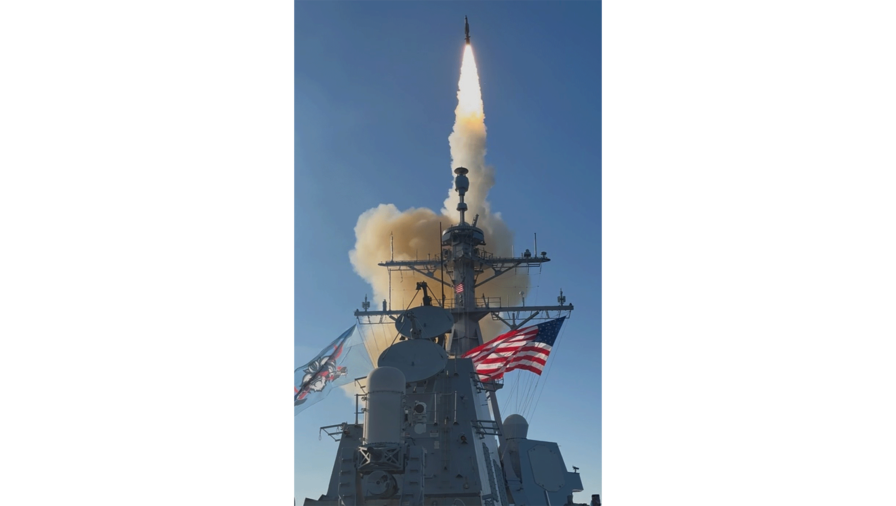
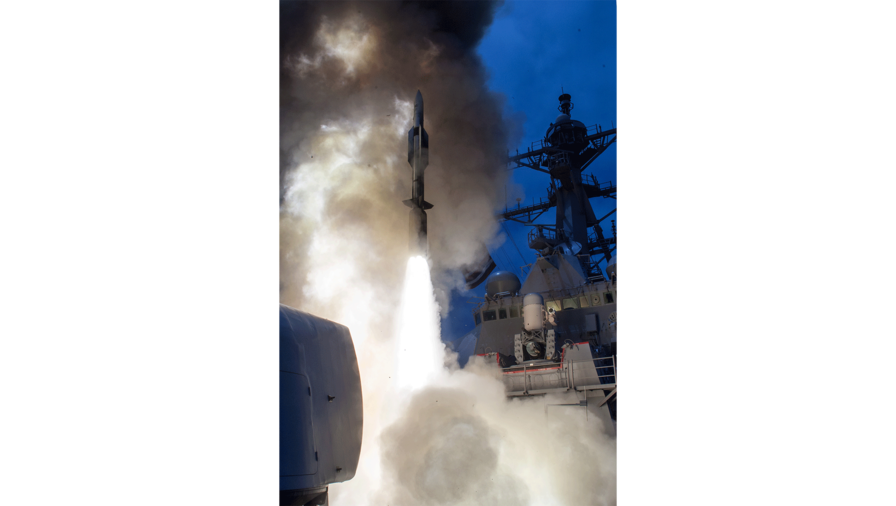
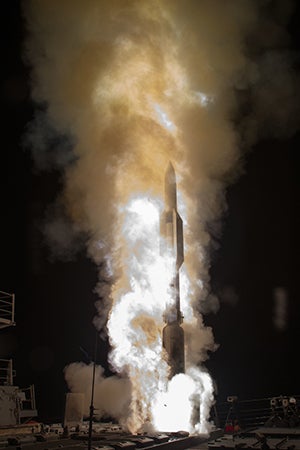
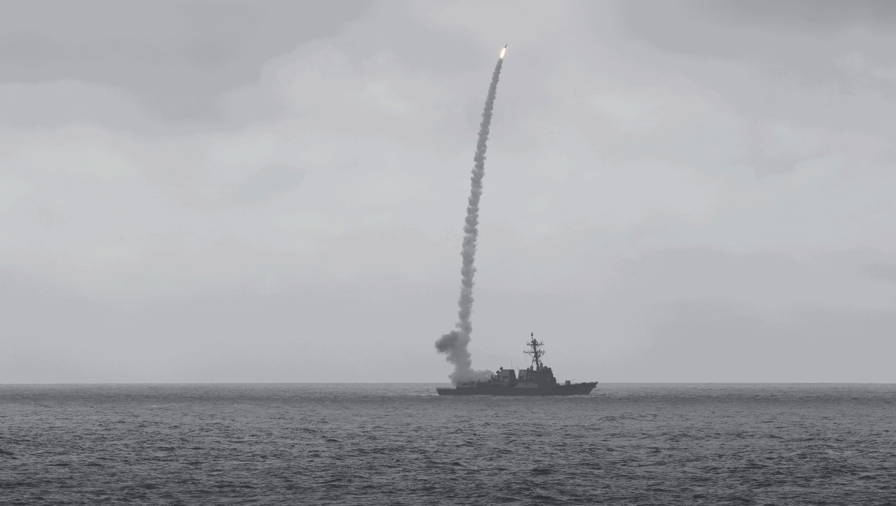
A Standard Missile-6 (SM-6) guided missile is launched from the USS John Paul Jones (DDG 53) during Flight Test Standard Missile-27 Event 2 (FTM-27 E2). During the test, a medium-range ballistic missile target was successfully intercepted by SM-6 missiles fired from the USS John Paul Jones.

A Standard Missile-6 (SM-6) guided missile is launched from the USS John Paul Jones (DDG 53) during Flight Test Standard Missile-27 Event 2 (FTM-27 E2).

Related News

Photo Credit: Northrop Grumman Corporation. Precision-guided munitions shown in production illustrate one of many operational systems benefiting from modernized M-Code GPS, supporting assured positioning, navigation and timing in contested environments.

Editorial | 03. 16. 2026

L3Harris Military GPS Receiver Deliveries Surpass 100,000 Units

Modernized GPS is strengthening operational assurance and signaling a new era of assured positioning, navigation and timing for U.S. and allied forces

Photo Credit: Northrop Grumman Corporation. Precision-guided munitions shown in production illustrate one of many operational systems benefiting from modernized M-Code GPS, supporting assured positioning, navigation and timing in contested environments.

Editorial | 03. 16. 2026

L3Harris Military GPS Receiver Deliveries Surpass 100,000 Units

Dr. Robert H. Goddard and a liquid oxygen-gasoline rocket in the frame from which it was fired on March 16, 1926, at Auburn, Massachusetts. Credit: NASA

Editorial | 03. 16. 2026

L3Harris Carries Goddard’s Legacy Into a New Era

Launched effect connects with other assets as it flies over water toward land

Press release | 03. 11. 2026

L3Harris and Shield AI Achieve Breakthrough in Autonomous Electronic Warfare

Secretary of War Pete Hegseth addresses a crowd of approximately 1,500 L3Harris employees in Camden, Arkansas, as part of his “Arsenal of Freedom” tour.

Press release | 02. 27. 2026

Secretary of War Pete Hegseth Visits L3Harris Solid Rocket Motor Site

Hypersonics Render

Editorial | 02. 23. 2026

L3Harris Advances “Powder-in, Engine-out™” Hypersonic Propulsion Manufacturing

The appearance of U.S. Department of War visual information does not imply or constitute DOW endorsement.