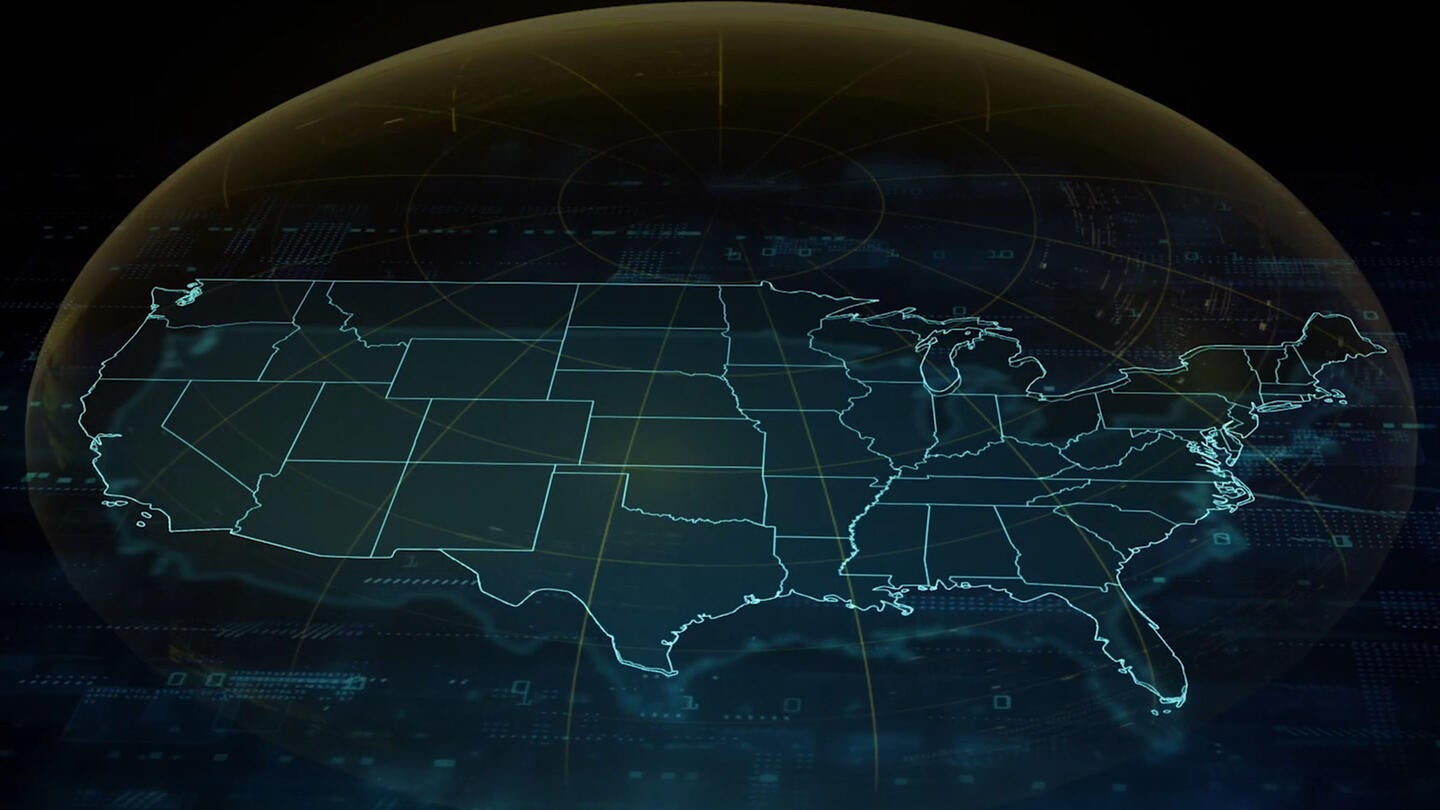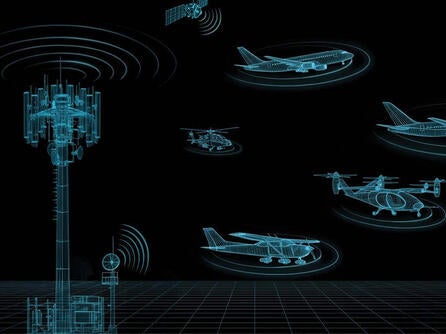
America's borders stretch thousands of miles – land, coastline and airspace – and they face a new generation of proliferating threats. Drones, low-flying aircraft and cruise missiles demand a response that is fast, comprehensive and connected.
L3Harris has spent more than two decades building, operating and continuously modernizing the world's largest air traffic surveillance system – tracking and managing commercial air traffic across the entire U.S. National Airspace System with remarkable precision and reliability.
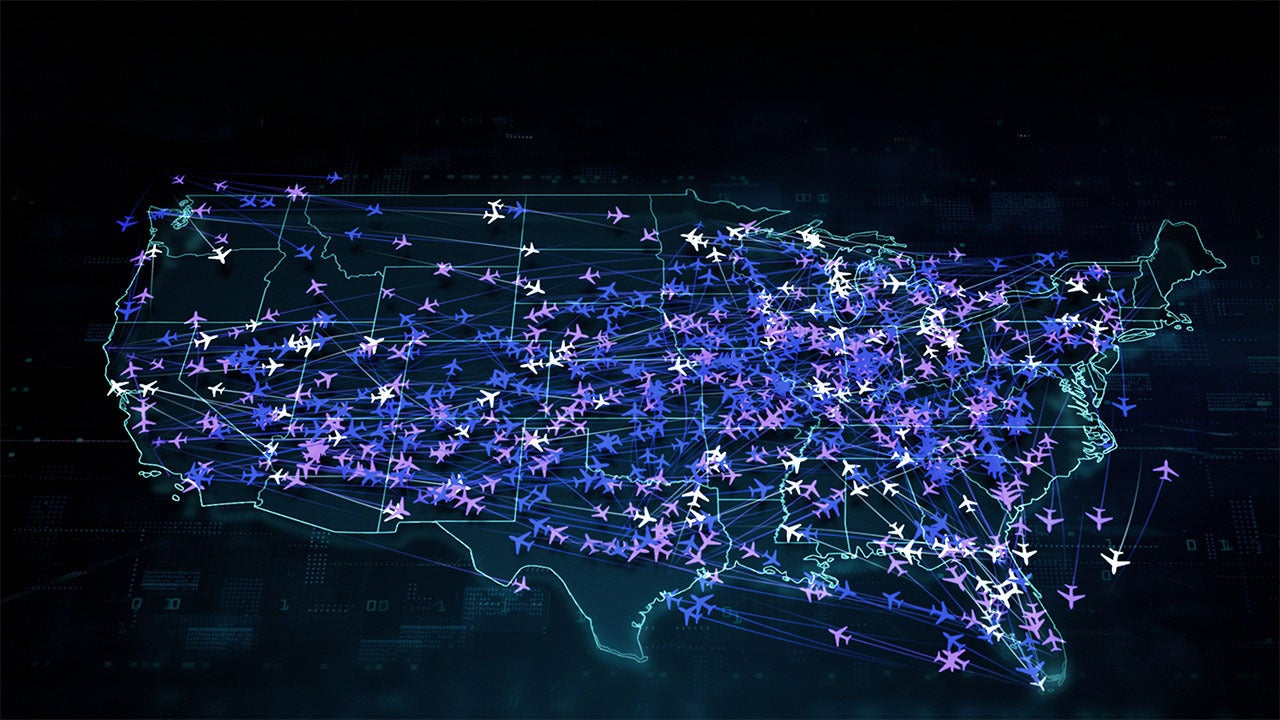
This network already does much of what homeland defense requires. The infrastructure is deployed. The fusion capability is proven. The relationships with America's defenders are established. The network is live. Now, L3Harris is seeking to put it to work as a foundational layer for sophisticated air and missile defense solutions.
"What we're offering is not a promise of future capability," said Paul Groppel, Business Development Lead for Defense, L3Harris Mission Networks. "It's an invitation to look at what already exists and recognize its potential."
An Infrastructure Already at Scale
L3Harris tracks, fuses and distributes sensor data at national scale every single day. The numbers tell the story: more than 750 radio stations, 36 automated weather observation stations, 12 regional control stations and more than 225 service delivery points. A companion communications network carries voice, data and video to more than 50,000 users across more than 4,400 facilities nationwide, maintaining 99.99971% availability.
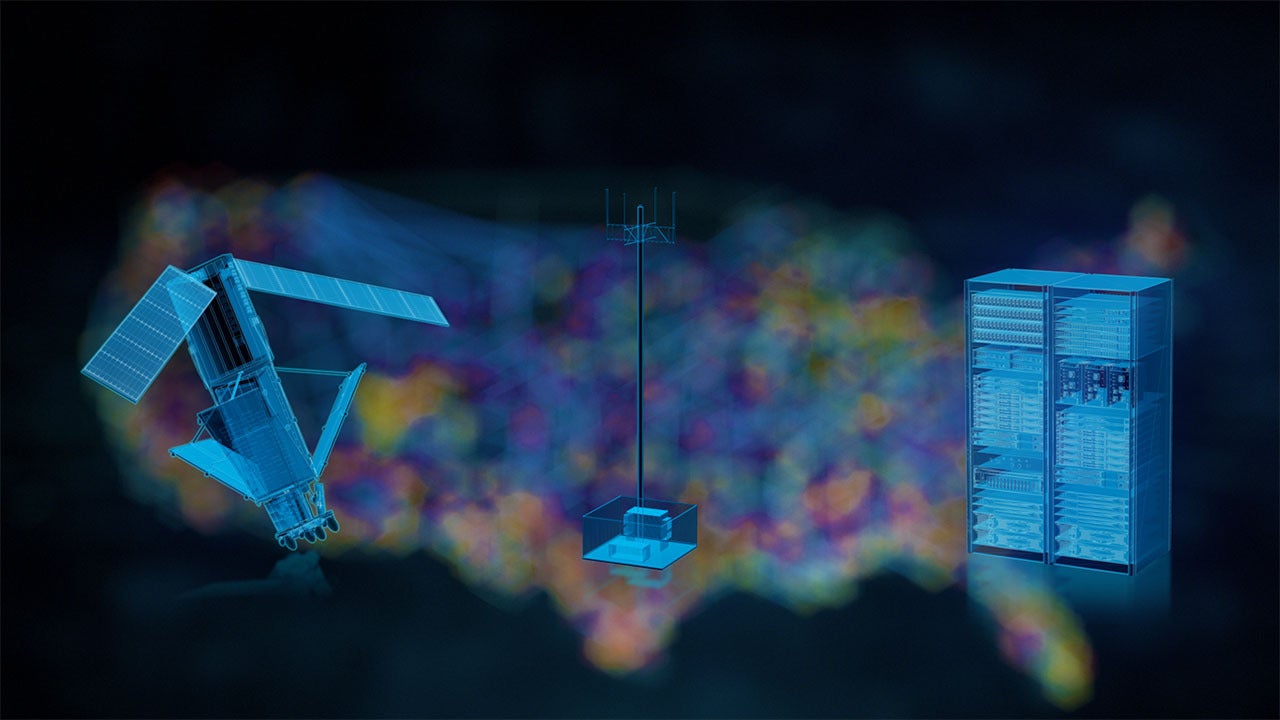
Satellites, radars and ground stations are already deployed and operating today – tracking all commercial air activity, big and small, across the continental United States, Alaska, Hawaii, Guam, Puerto Rico and beyond.
Critically, this network is actively being modernized and upgraded – ensuring it remains at the leading edge of performance, reliability and security. That ongoing investment means the foundation only grows stronger.
The question L3Harris is asking is a compelling one: What if this existing capability could be used to protect America?
"Augmenting this foundation to help defeat drone, air and cruise missile threats – that's not a stretch," said Groppel. "That's the next mission for infrastructure that was built to perform."
From Air Traffic Management to Homeland Defense
The leap from managing commercial air traffic to defending the homeland is shorter than it might seem. At the heart of that transition is a concept called data fusion – the ability to take sensor data from multiple, disparate sources and combine it into a single, coherent operational picture.
L3Harris has been doing exactly that for years through its Enterprise Surveillance Manager, or ESM – a platform that fuses target tracks from a wide variety of surveillance sources, including radar, Automatic Dependent Surveillance–Broadcast (ADS–B) and wide-area multilateration.
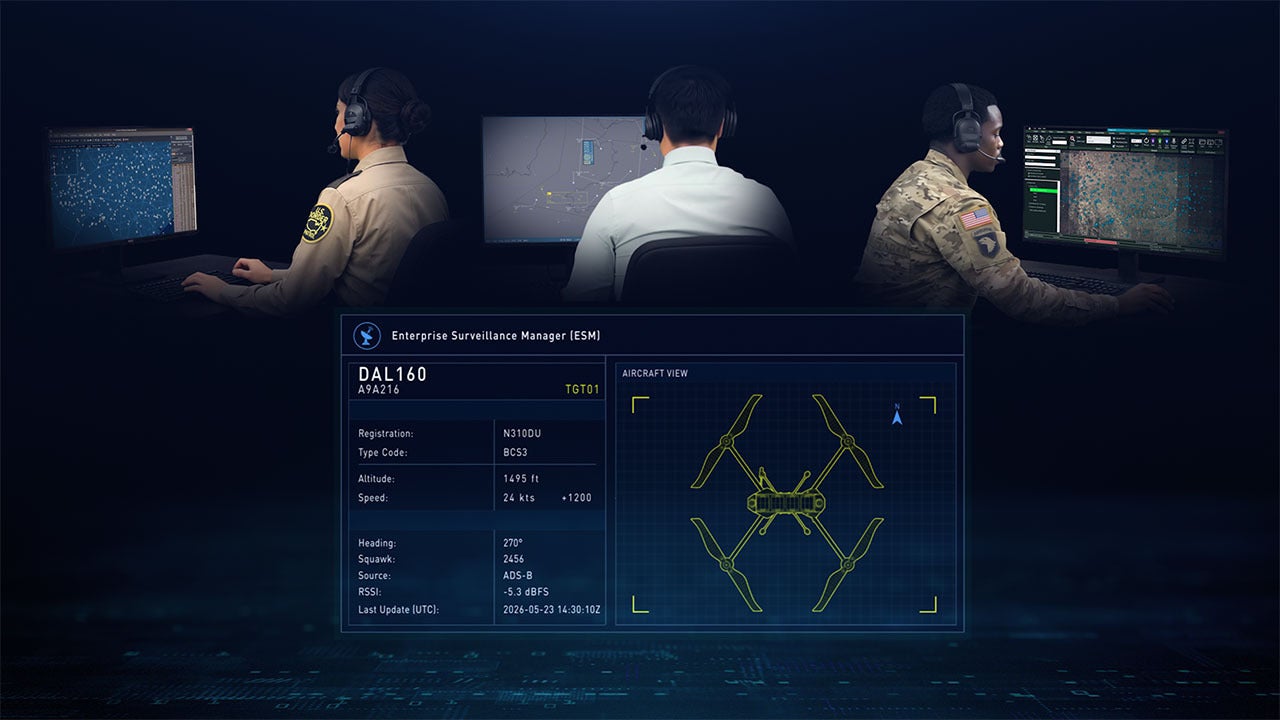
"The infrastructure we've developed over decades of national-scale operations is extraordinary in its reach and reliability," said Jay Kreider, General Manager, Surveillance Programs, L3Harris Mission Networks. "What we're recognizing now is that this same foundation – the ground stations, the network fusion capability – could serve as an already-deployed, available backbone to track, fuse and distribute sensor data in support of homeland defense missions. You don't have to start from scratch. The hard work of building a nationwide network is already done."
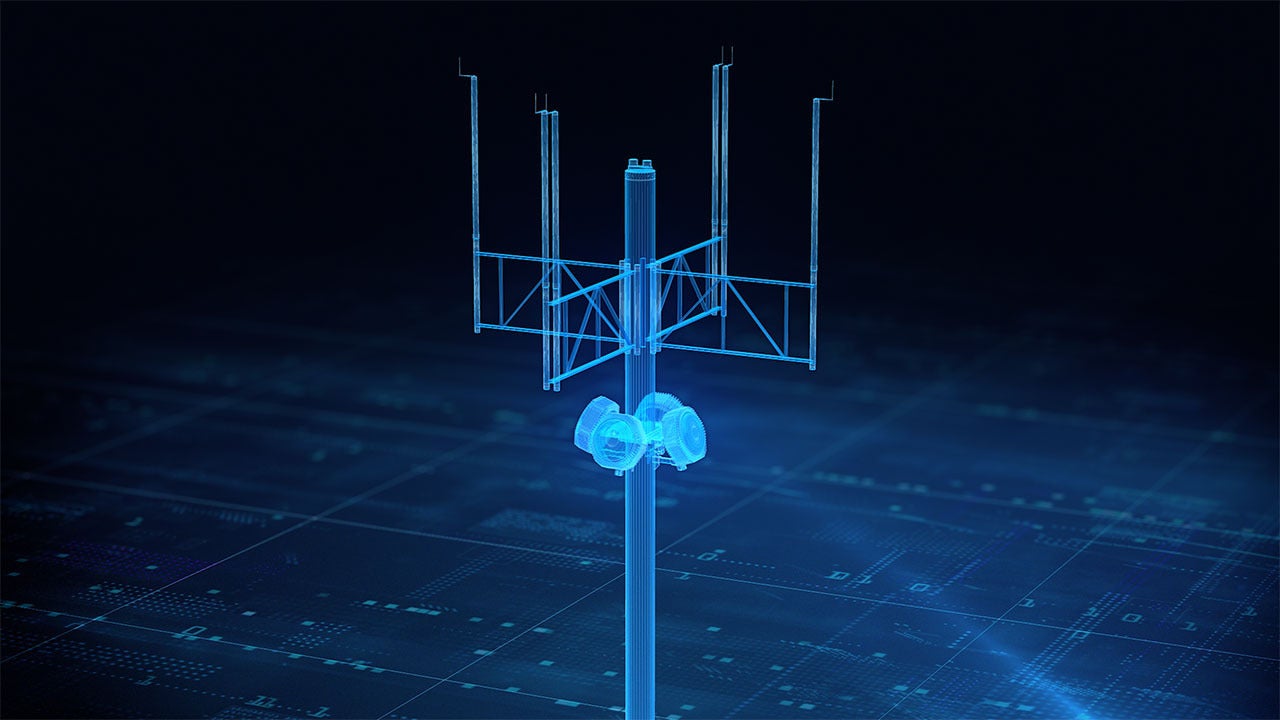
Today, each site is equipped with climate-controlled equipment cabinets, secure and redundant telecommunications, commercial and backup power and precision timing. These are mission-ready facilities.
Simple augmentation to these existing radar sites and ground stations – collocating emerging technologies such as passive radars and software-defined Active Electronically Scanned Array panels – could enable CONUS-wide, non-cooperative target tracking. Combined with L3Harris data and sensor fusion technology, that augmented network could pass sensor tracks directly to responsible military and homeland security agencies with the low latency and high availability that defense missions demand.
Combined with L3Harris data and sensor fusion technology, that augmented network could pass sensor tracks directly to responsible military and homeland security agencies with the low latency and high availability that defense missions demand.
Separating Friend from Foe in a Crowded Sky
One of the most powerful capabilities this network could enable is the ability to distinguish cooperative from non-cooperative air traffic – and to do so across one of the most complex and crowded airspaces in the world.
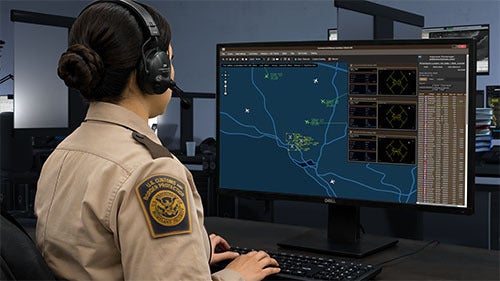
ADS-B technology allows aircraft to broadcast their identity, position and flight data. When that cooperative data is fused with radar and other sensor inputs, something remarkable becomes possible: the ability to filter out known, legitimate air traffic and focus attention on what remains – the tracks that don't belong, the signatures that raise questions and the potential threats moving through American airspace.
"You can isolate the non-cooperative tracks, the ones that aren't equipped with ADS-B, and focus your defenders' attention precisely where it needs to be,” Groppel said, “In a threat environment that includes drones, low-altitude aircraft and cruise missiles, that kind of clarity is operationally decisive."
A Network Built for Those Who Defend
This nationwide infrastructure already reaches deep into the installations where America's defenders operate – from Air Force bases and naval air stations to Marine Corps installations and Army airfields – with dozens of Department of War facilities already connected and served today.
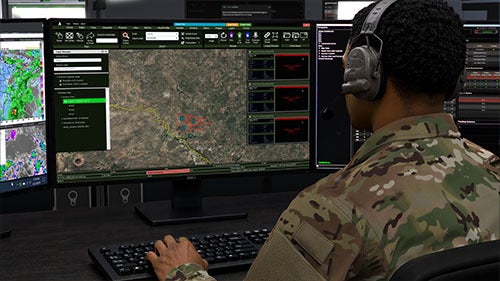
"Our teams understand the operational requirements at these installations,” said Kreider. “That familiarity, combined with our network reach and our fusion capability, positions L3Harris as a capable partner in homeland defense missions – not as a newcomer, but as an operator who is already there, already trusted and already delivering."
The network's international reach adds another dimension. L3Harris already supports ADS-B and radar surveillance data exchange with Canada along the U.S.-Canadian border – a relationship and data exchange architecture that could support an expanded U.S.-Canada terrestrial network as homeland defense planning extends to the northern border.
Built to Perform – Ready to Defend
America's defenders need speed, precision and integration. They need sensor data fused and distributed to every agency and operator who needs it, in real time, across a vast and complex battlespace. L3Harris Mission Networks is already operating a network with the potential to make that possible.
"What we're inviting America's defenders and those charged with securing the homeland to consider is a head start,” said Kreider. “We have a nationwide foundation that is already performing at mission scale and could be put to work protecting the homeland."