Overview
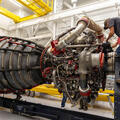
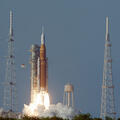
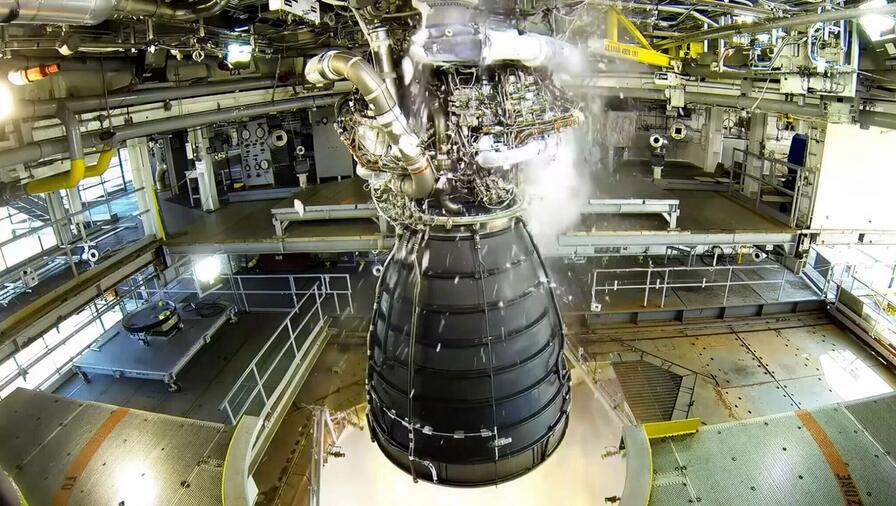
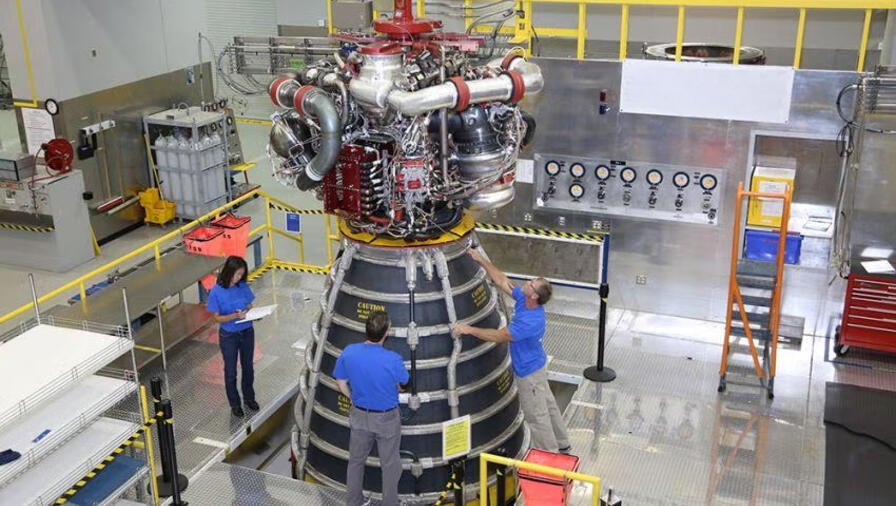
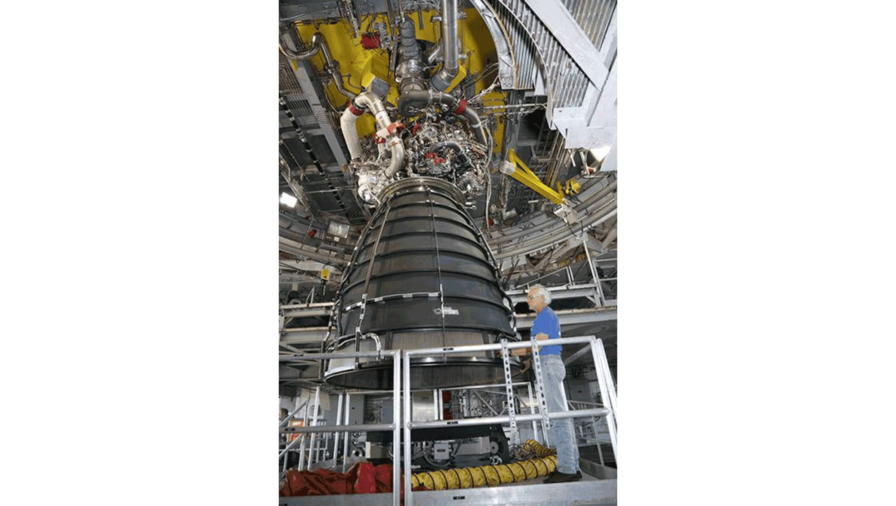
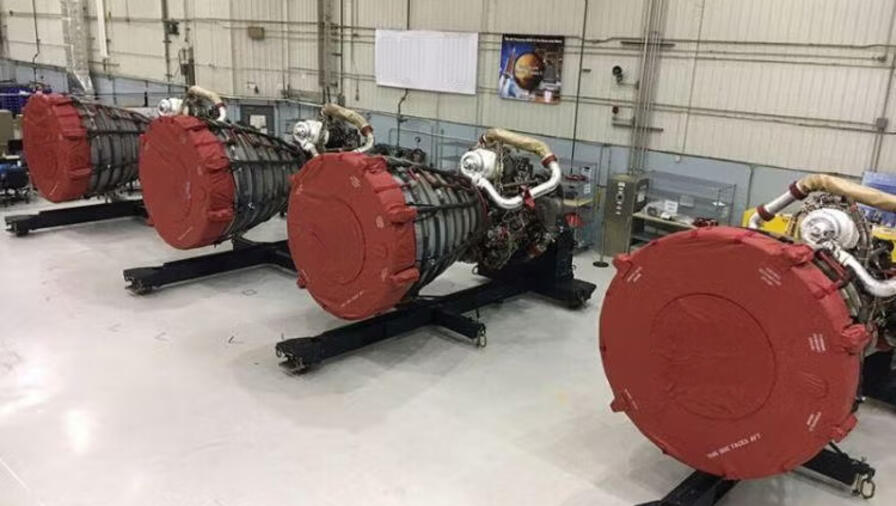
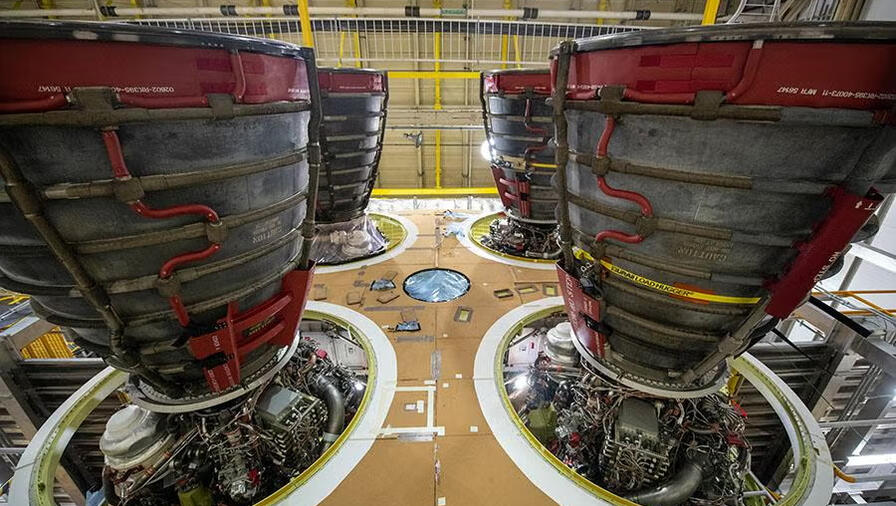
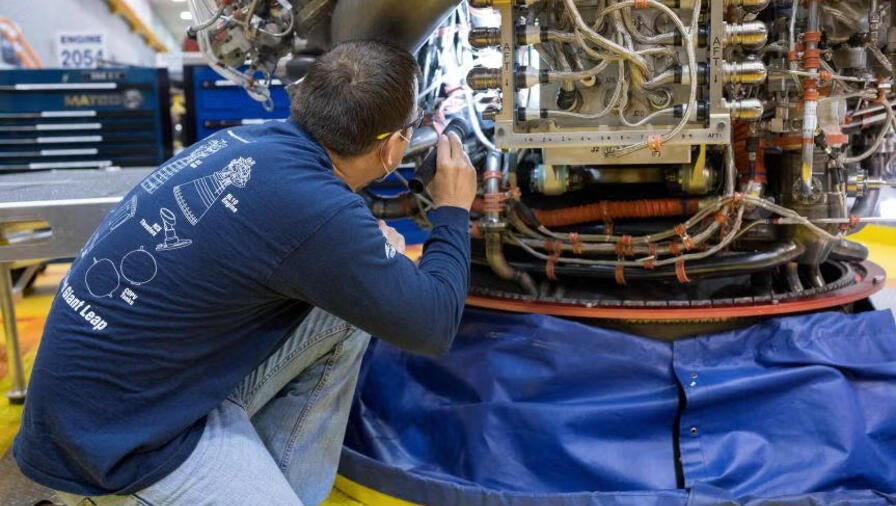
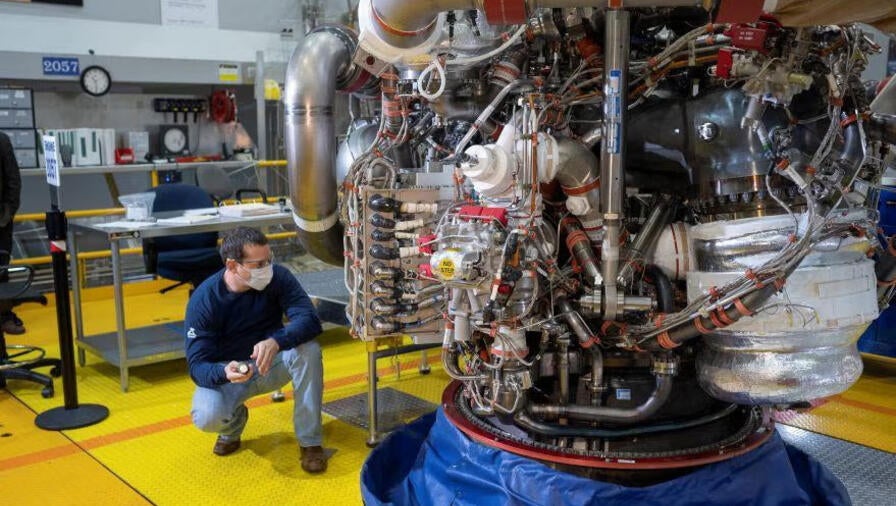
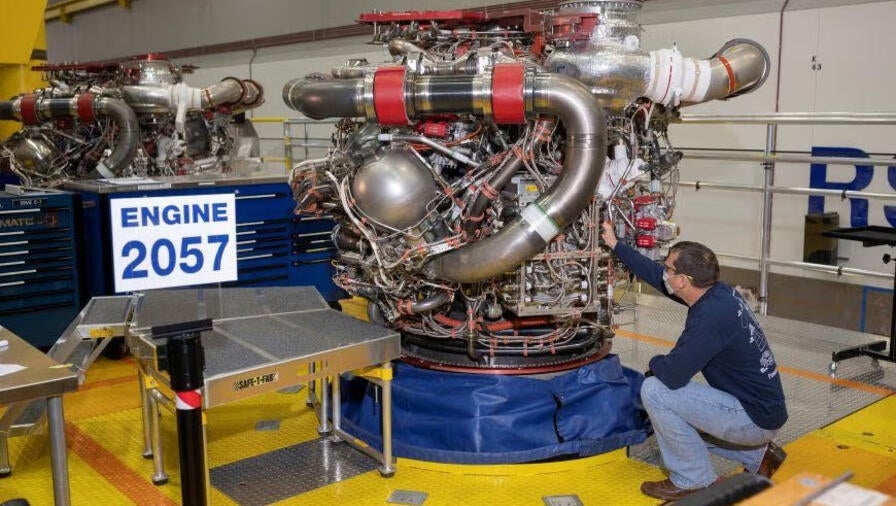
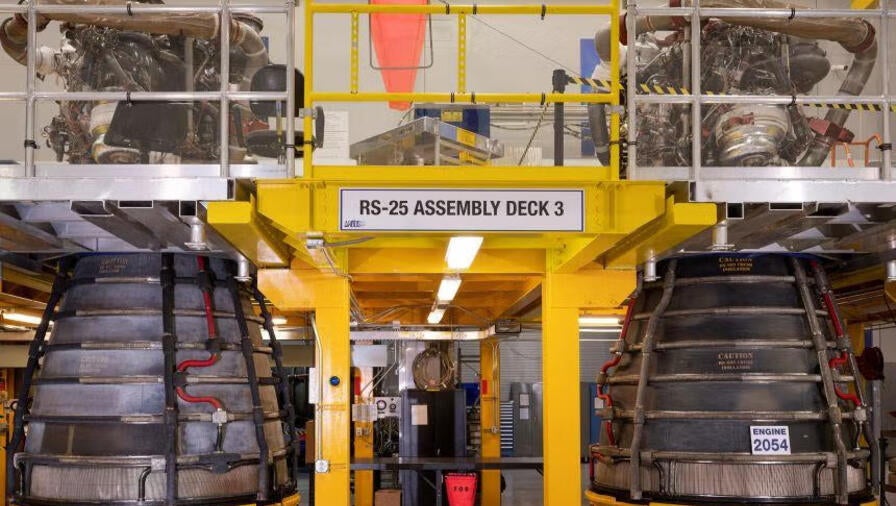
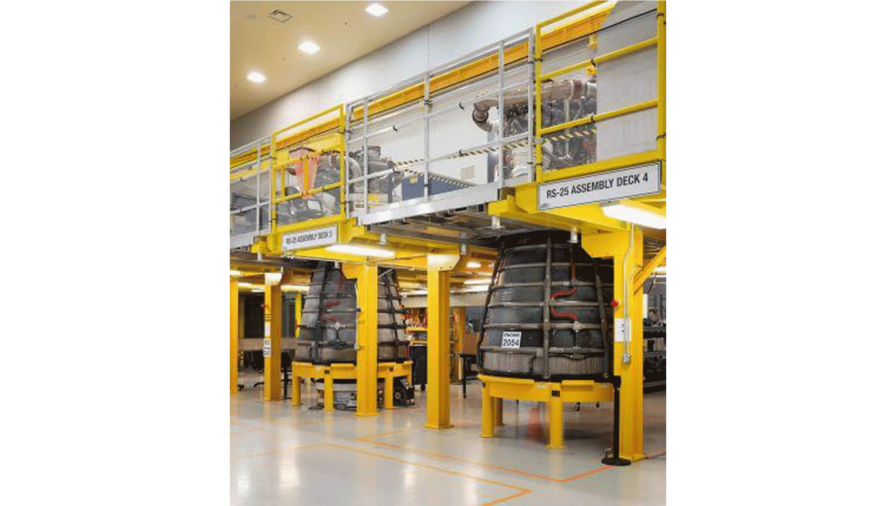
Four RS-25 engines located at the bottom of the core stage power the rocket on its eight and a half minute climb to space with more than 2 million pounds of thrust.

Four RS-25 engines located at the bottom of the core stage power the rocket on its eight and a half minute climb to space with more than 2 million pounds of thrust.
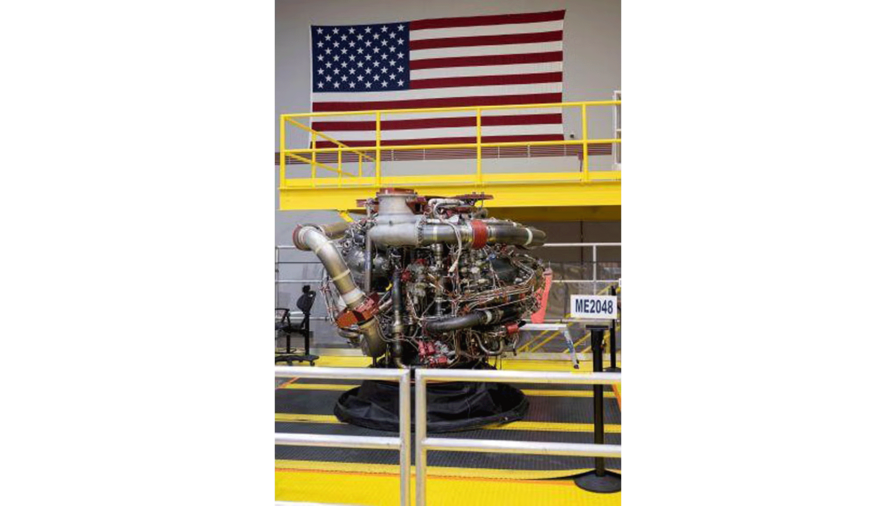
The RS-25 evolved from L3Harris’ Space Shuttle Main Engine (SSME) that successfully powered 135 flights of the space shuttle. The engine underwent five major upgrades during its life on the shuttle, each time incorporating the modern technologies and innovations – and each time demonstrating major improvements in safety and reliability. Between the shuttle and SLS programs, the RS-25 and SSME engines have collectively compiled more than 1.1 million seconds of firing time.
The RS-25 is a staged-combustion engine cycle powered by liquid hydrogen and liquid oxygen, making it one of highest performing engines the nation has ever produced. The SSME engines on the shuttle typically operated at 491,000 pounds of vacuum thrust (104.5-percent of rated power level). The required power level for the RS-25 engines on SLS is 512,000 pounds vacuum thrust (109 percent of rated power level). Future evolutions will have even higher thrust capabilities.
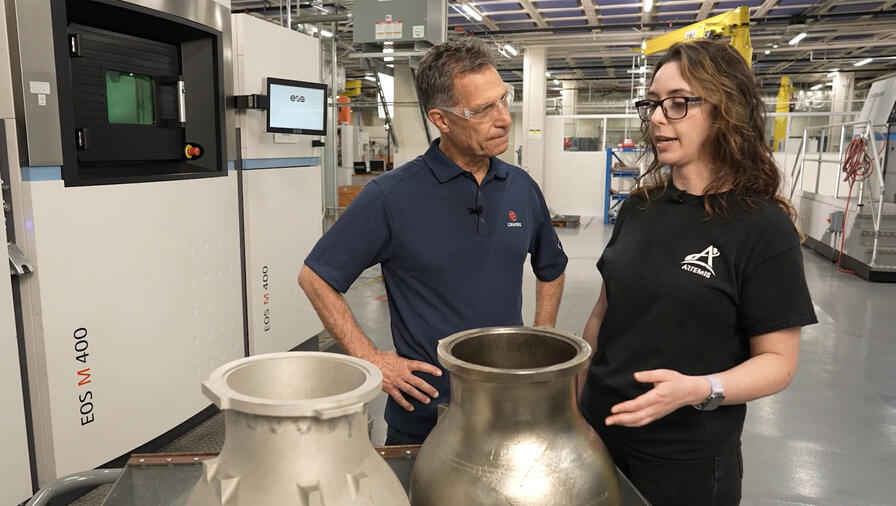
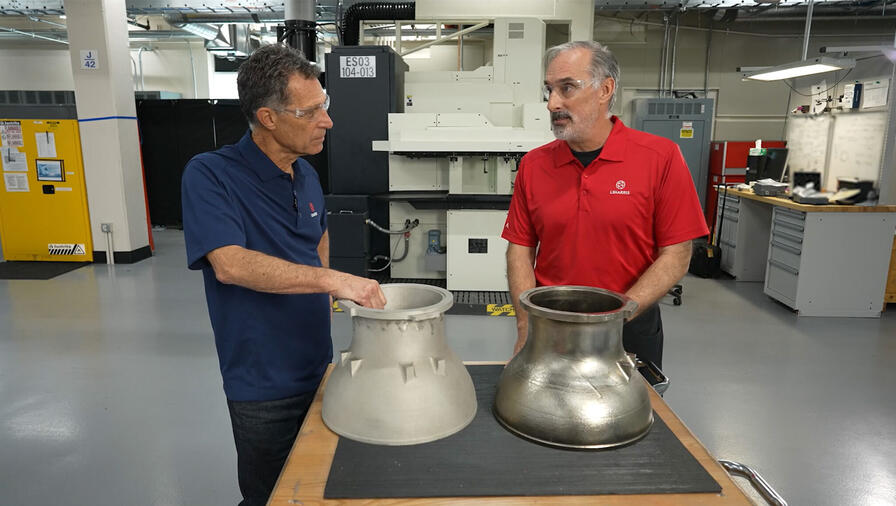
L3Harris has begun developing a new generation of RS-25 engines for when the 16 engines remaining from the space shuttle program are used. These engines are targeting a 30% cost reduction from the engines that flew on the space shuttle and will feature the latest in advanced manufacturing techniques, including 3D printing.
| Propellants | Fuel: Liquid hydrogen Oxidizer: Liquid Oxygen Mixture Ratio (O/F): 6.0 |
| Thrust (109% Power Level) | Vacuum: 512,300 lb. Sea Level: 418,000 lb. Chamber Pressure: 2,994 psia |
| Specific Impulse (109% Power Level) | Vacuum: 452 sec. Sea Level: 366 sec. |
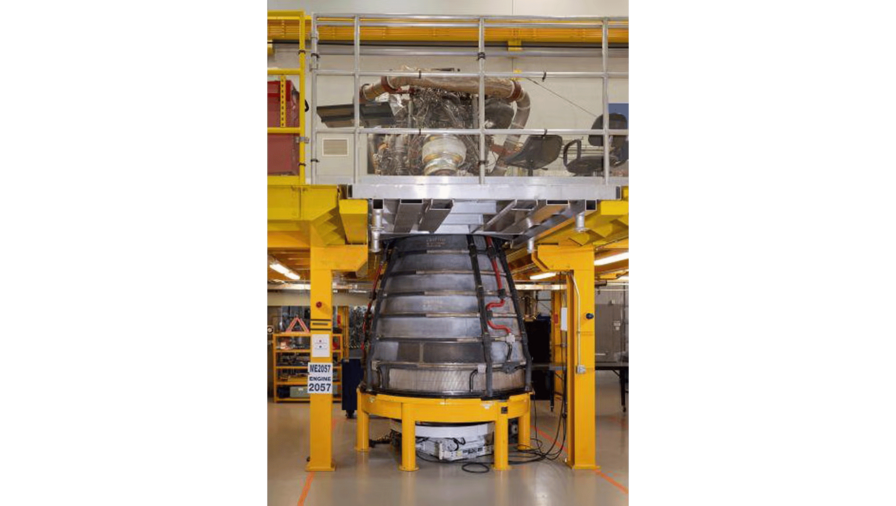
| Dimensions | Length: 168 in. Diameter: 96 in. Weight: 7,775 lb. Area Ratio: 69:1 |
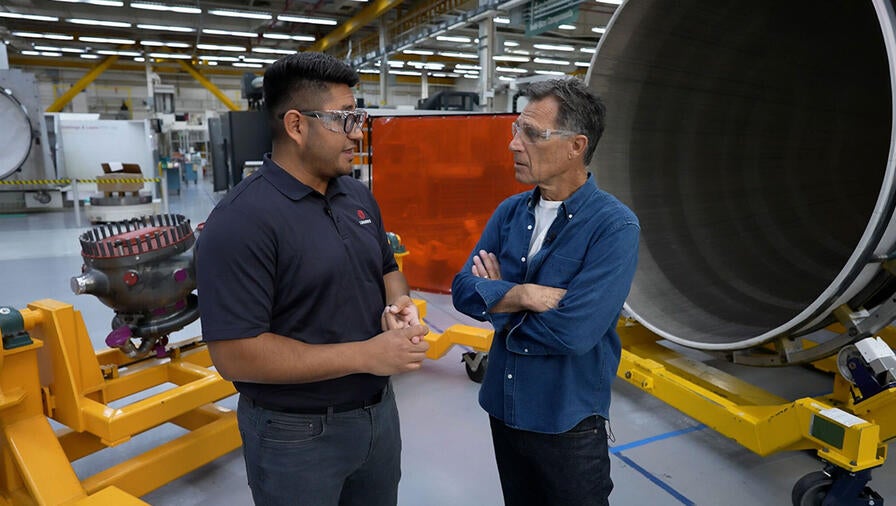
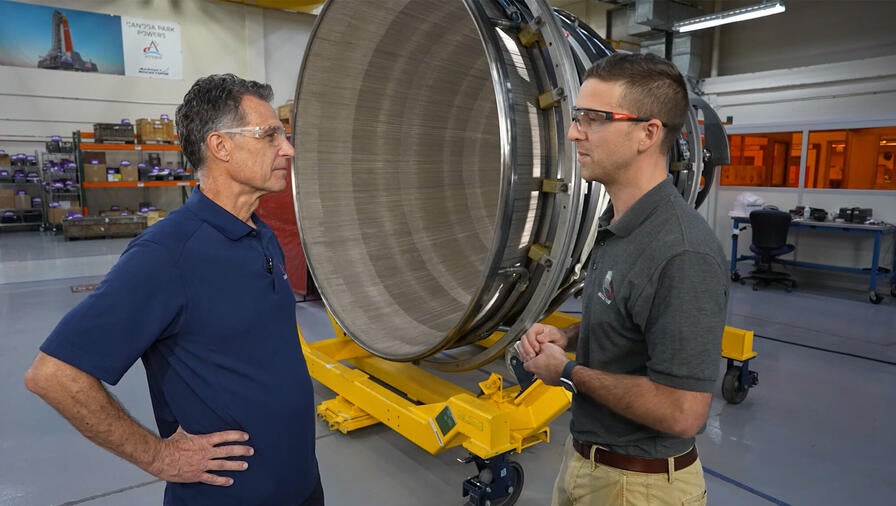
The video series highlights L3Harris products contributing to the return of astronauts to the Moon.


Editorial | 10. 08. 2026
L3Harris is investing in the future of liquid propulsion production with a more than $100 million expansion at the company’s Canoga Park site in the San Fernando Valley to increase manufacturing and assembly capacity for critical programs.