Bantam

Overview

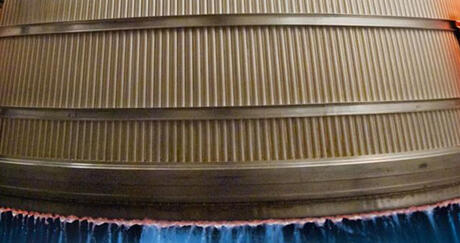
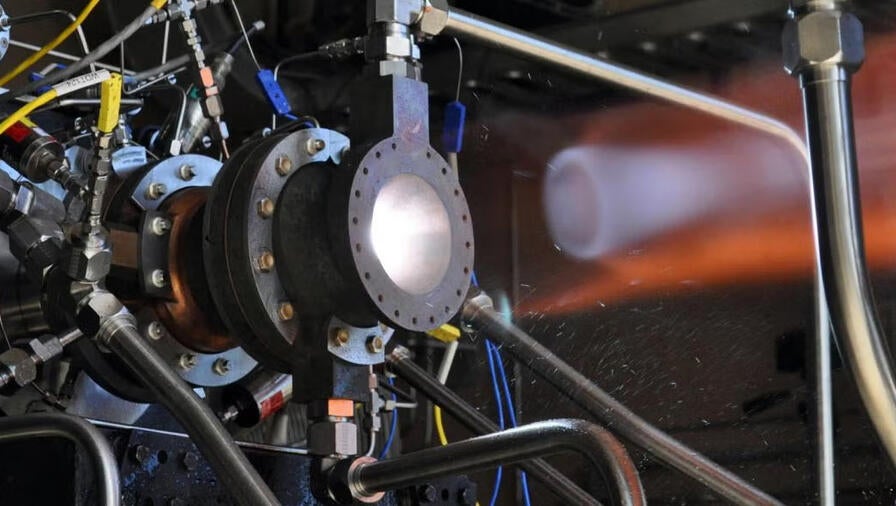
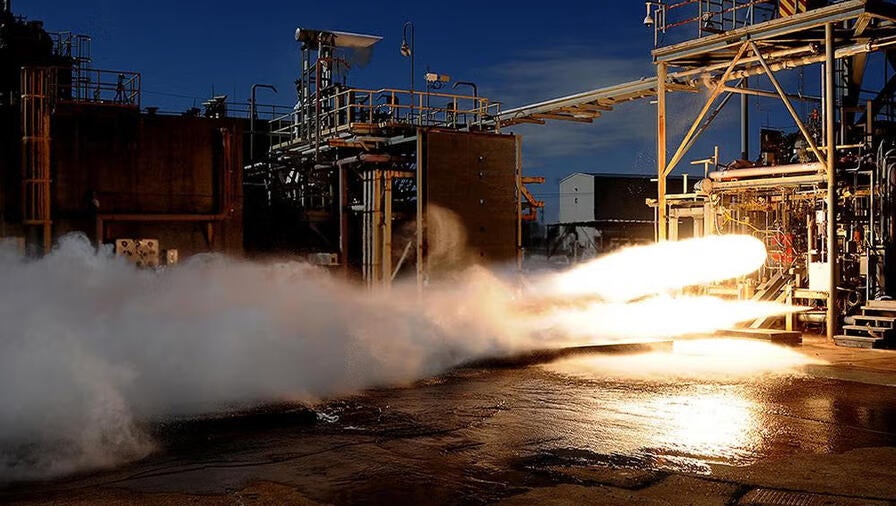
The Bantam engine family is being adapted from the proven design of the Atlas Sustainer engine to take full advantage of 3D printing capabilities. These engines, which would normally be composed of more than 100 parts, are built from only three 3D printed major components: the injector assembly, the combustion chamber; and a monolithic throat and nozzle section.
Key Features

Demonstrating the ability to produce a predominantly 3D printed engine is key to reducing the cost of future rocket propulsion systems. On the 5,000-pound-thrust “Baby Bantam” engine, L3Harris reduced total design and manufacturing time from more than a year – typical for engines of this size — to just a couple of months. Utilizing 3D printing on this program reduced the cost by approximately 65 percent compared to using conventional manufacturing methods.  

The Bantam family of engines produces thrust ranging from 5,000 up to 30,000 pounds and can be adapted to use various fuels including kerosene, ethanol, methane and storable propellants.

Latest News

Soldiers load mortar

Editorial | 03. 24. 2026

Delivering Victory Through Fuzing Precision and Scale

We're answering that call to industry by expanding capacity to produce combat-proven solutions at the speed and scale the Department of War demands. writes Jeff Zotti, Vice President and General Manager, Missile Production Programs, L3Harris.

Soldiers load mortar

Editorial | 03. 24. 2026

Delivering Victory Through Fuzing Precision and Scale

An auxiliary target has been affixed to the Interim Cryogenic Propulsion Stage

Editorial | 03. 23. 2026

RL10 and Orion Main Engine are Key to NASA’s Historic Artemis II Journey to the Moon

Photo Credit: Northrop Grumman Corporation. Precision-guided munitions shown in production illustrate one of many operational systems benefiting from modernized M-Code GPS, supporting assured positioning, navigation and timing in contested environments.

Editorial | 03. 16. 2026

L3Harris Military GPS Receiver Deliveries Surpass 100,000 Units

Dr. Robert H. Goddard and a liquid oxygen-gasoline rocket in the frame from which it was fired on March 16, 1926, at Auburn, Massachusetts. Credit: NASA

Editorial | 03. 16. 2026

L3Harris Carries Goddard’s Legacy Into a New Era

Launched effect connects with other assets as it flies over water toward land

Press release | 03. 11. 2026

L3Harris and Shield AI Achieve Breakthrough in Autonomous Electronic Warfare

Related Domains & Industries

Solutions that solve our customers' toughest challenges.
view all capabilities

Contact the Bantam Team

Career Inquiries | Prospective Supplier Form | Supplier Inquiries | Report a Website Problem

For sales inquiries please fill out the form below: