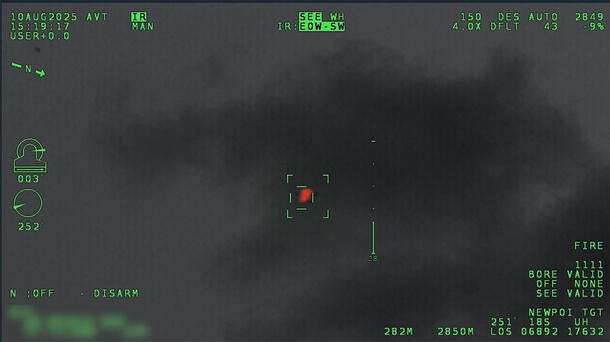
A fast attack craft slips between commercial traffic in a congested strait. A small unmanned aerial system (UAS) breaks low across a forward operating base. A reconnaissance vehicle moves along a ridgeline before disappearing into terrain. Different environments. Different threats. One constant. The operator has seconds to detect, identify and act.
In those moments, targeting goes beyond the capability of seeing farther. It is about seeing clearly, tracking confidently and making decisions faster than the threat can adapt. That is where the next generation of L3Harris WESCAM MX™-Series electro-optical and infrared systems is changing the mission.
Built for airborne, land and maritime operations, the newest advancements across the MX-Series are focused on one outcome: giving operators a sharper, more stable and more reliable picture so they can prosecute targets with greater confidence in the most demanding environments.
From the compact WESCAM MX-10D for small airborne platforms, to the combat-proven WESCAM MX-15D for long-range multi-domain engagements, to the fixed-site and mobile WESCAM MX-GCS and the mission-configured WESCAM MX-10D RSTA integrated as part of L3Harris' VAMPIRE™ system, each sensor system is engineered around the same principle — help operators see first and act first.
Seeing the Target Before It Disappears
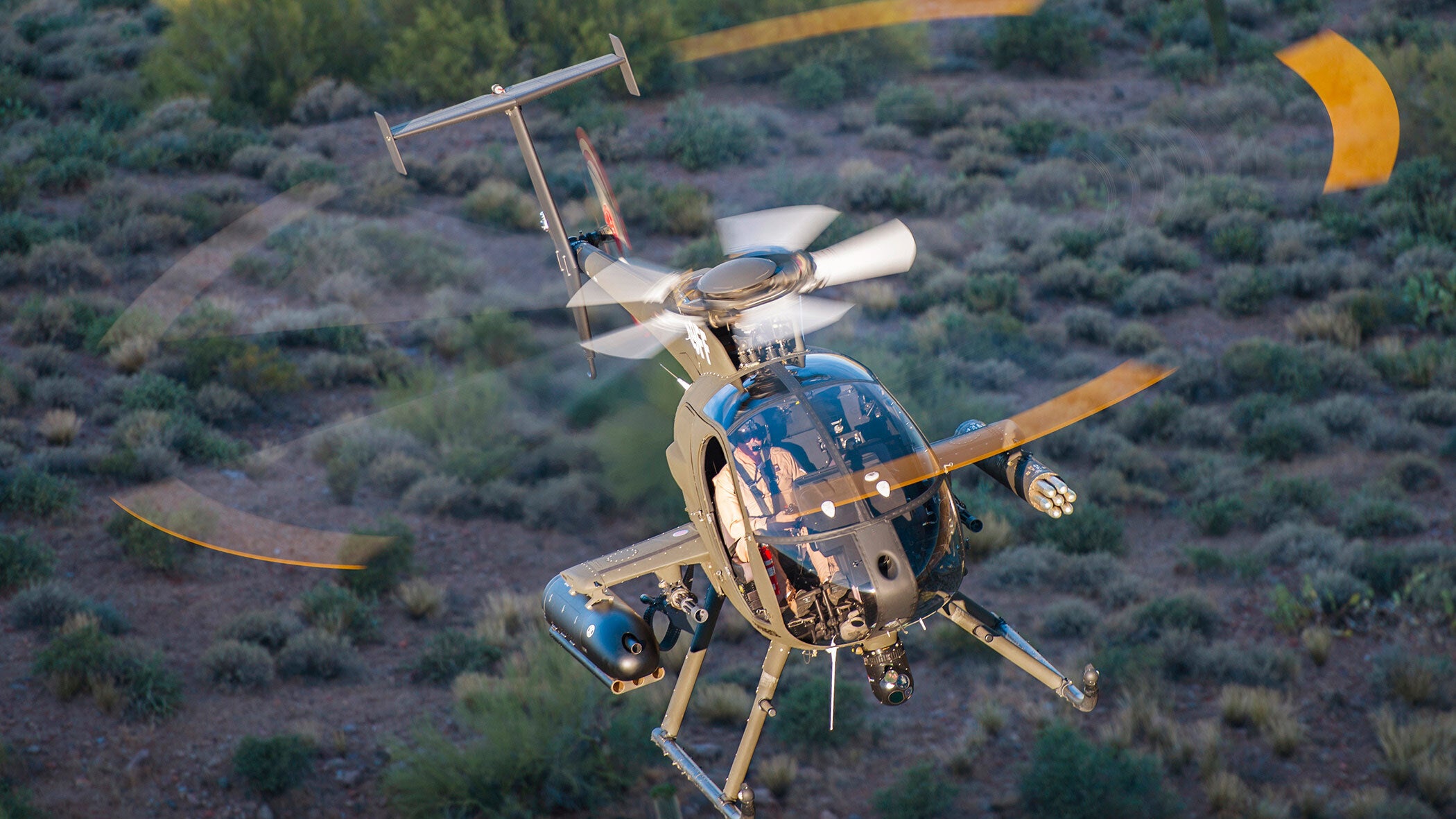
A crew scanning from a moving platform does not get a second chance at first detection. Whether mounted on a rotary-wing aircraft, an unmanned system, a patrol vessel or a ground vehicle moving over rough terrain, sensor performance begins with stability. If the image moves, the mission slows.
Recent improvements to payload stabilization across the MX-Series have significantly expanded electro-optical narrow range performance. By improving how the system isolates vibration and compensates for platform movement, operators can detect, recognize and identify targets at longer ranges than before and often earlier in the engagement timeline when options are still open.
That means a maritime crew can classify a vessel farther from shore. A land operator can maintain a stable track over uneven terrain. A counter-UxS team can identify a small airborne threat sooner, before it enters a critical engagement window.
The mission moves faster because the image remains steady.
Less Weight. More Capability.
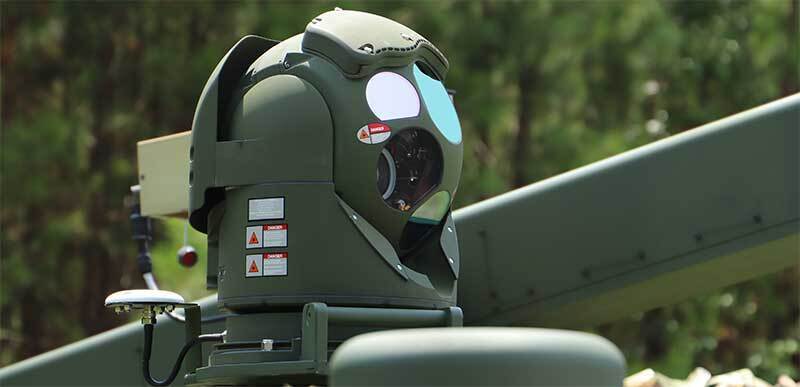
Modern platforms are being asked to do more with less space, less power and tighter integration requirements. The newest L3Harris advancements reduce overall height and weight while preserving the performance operators expect from WESCAM MX-Series systems.
For crews flying light helicopters or UAS, the MX-10D delivers full targeting capability in a smaller package. For vehicle-mounted missions, the MX-10D RSTA gives VAMPIRE operators a stabilized sensor optimized for rapid detect-to-engage timelines. That smaller physical footprint creates new flexibility for crews integrating advanced sensors onto both existing and next-generation platforms.
For operators, better integration means more than easier installation. It means a smaller tactical UAS can carry mission-grade targeting. It means vehicle commanders can add capability without sacrificing mobility. It means naval platforms can expand sensor coverage without adding unnecessary topside burden. The result is a sensor that fits the platform without forcing the mission to compromise.
Built for Environments That Break Other Systems
The mission does not stop for rain, salt spray, rotor wash or desert dust. Operators working in maritime and land environments need systems that can survive constant exposure to moisture, corrosion, vibration and shock without degrading performance when the mission becomes critical.
Across the MX-Series, L3Harris has strengthened system ruggedization with improved sealing, enhanced moisture defense and increased resistance to corrosion. These improvements build on lessons learned from airborne operations and extend them into the harshest land and maritime environments.
At the same time, structural and internal reliability enhancements have improved survivability under aggressive vibration and shock — the kind of punishment that comes from high-speed maneuvering, rough terrain or repeated launch-and-recovery cycles.
For the operator, reliability is not a specification. It is the confidence that the sensor will still be on target when the mission reaches its most critical moment.
Smarter Processing at the Speed of the Mission
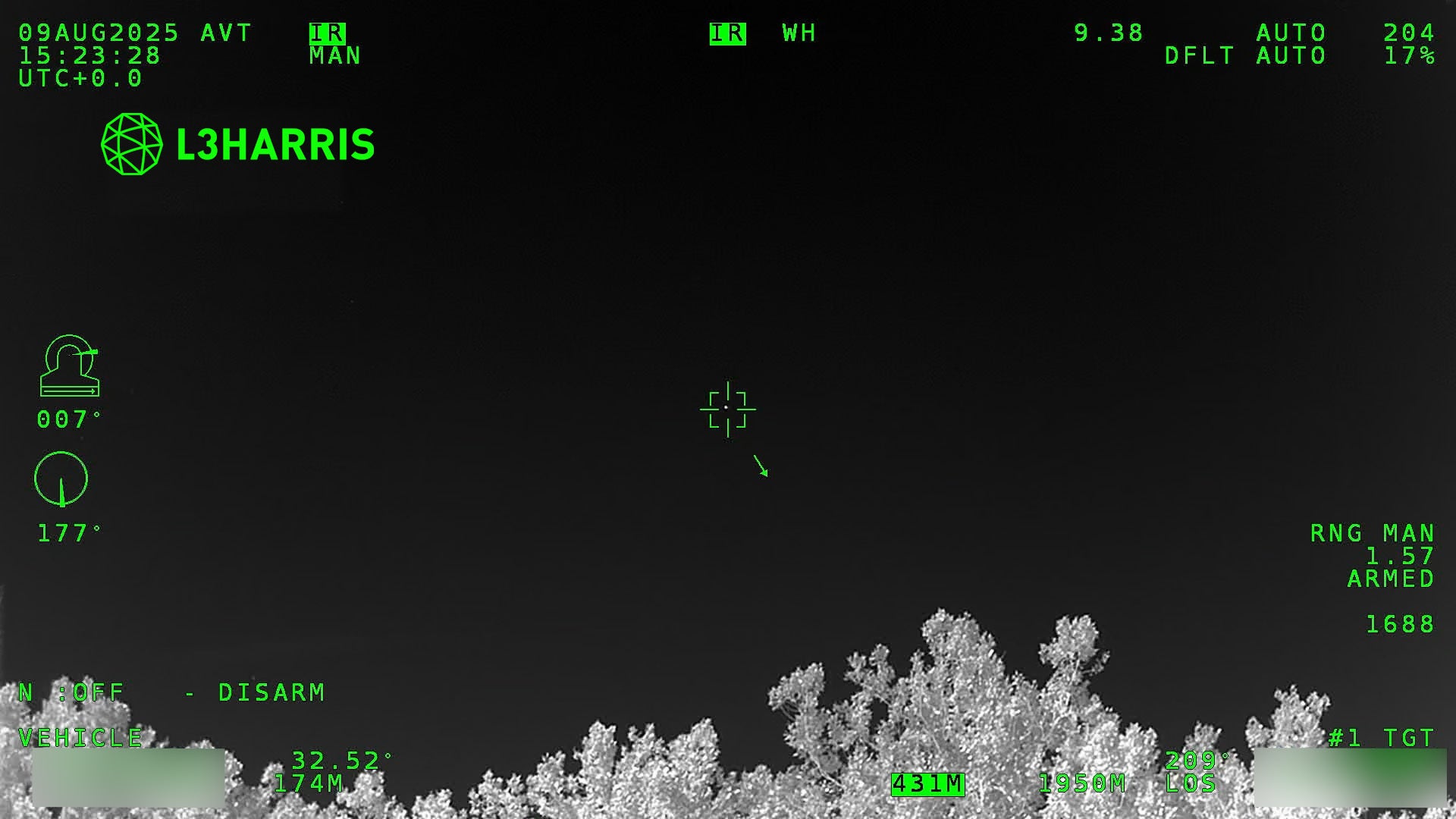
Modern WESCAM MX-Series sensors have progressed beyond precision optics. Today, they are highly advanced processing systems. The newest electrical architecture inside the MX-Series is designed to support the next generation of onboard algorithms, unlocking major gains in targeting performance while reducing the burden on crews. Those improvements include more robust multi-target tracking in dense operational environments, faster automatic acquisition of stationary and moving targets, improved target detection and tracking in cluttered scenes, higher-quality infrared imagery for clearer recognition, lower operator workload during high-tempo missions and future-ready architecture for upcoming image processing upgrades.
In practice, that means an operator can spend less time managing the sensor and more time managing the mission. Instead of manually reacquiring targets in a crowded littoral zone or urban environment, the system can maintain track continuity even as multiple objects enter the scene, or track multiple targets at once and prioritize those which are high-value. Instead of fighting degraded imagery at long range, crews receive a cleaner picture that supports faster decisions.
The technology works in the background so the operator can stay focused on the threat.
Extending Identification Beyond the Expected Range
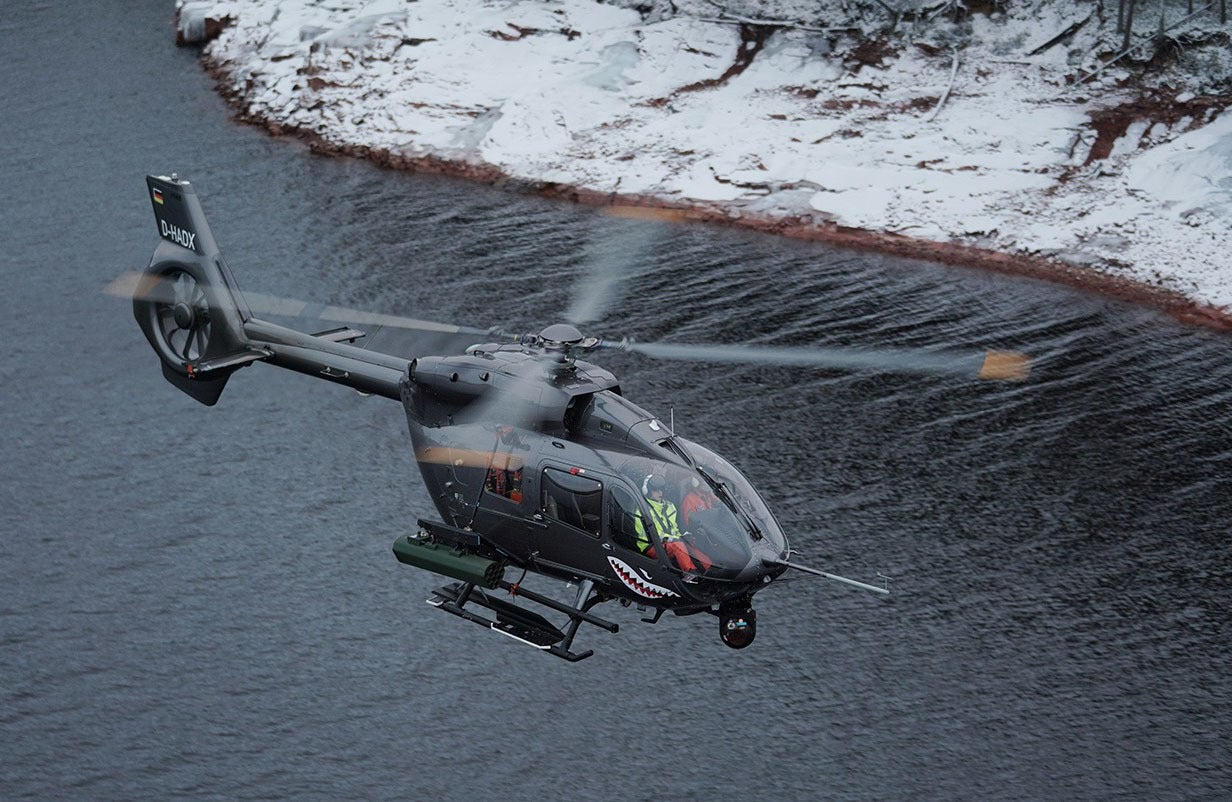
In many missions, identification is what determines the next decision. The ability to distinguish intent at distance can mean the difference between monitoring and engagement. Through new approaches to aperture integration and continued stabilization improvements, L3Harris is increasing performance across the MX-Series.
For the MX-15D, that means significantly greater long-range identification and laser designation performance for crews operating across maritime and airborne ISR missions. For the MX-10D, those same enhancements bring greater precision to smaller platforms where every ounce and every watt directly affect mission endurance.
For crews supporting overwatch, border security, counter-UxS or maritime interdiction, that extended clarity gives commanders more time to decide and more confidence in the information they are using, delivering better decisions earlier in the loop.
Mission Capability Across Every Domain
The same technology improvements are now delivering advantages across multiple mission sets. Rotary crews can identify a target vehicle before crossing the engagement line. Naval boarding teams can maintain positive track in heavy sea states. Ground vehicle crews can monitor multiple threats while moving through complex terrain. Counter-UxS teams can detect, classify and designate a small airborne threat before it reaches defended airspace.
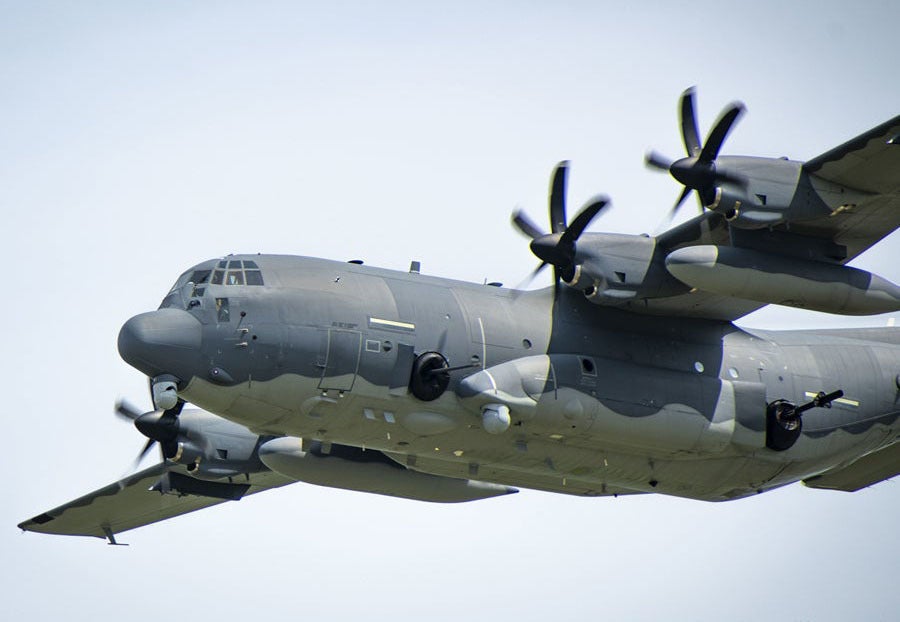
For larger systems such as the WESCAM MX-15D or MX-20D, those improvements scale even further, with major increases in identification and laser targeting range, improved pointing accuracy and new GPU processing power that supports advanced AI-enabled functions and mission-specific onboard applications.
For counter-UxS missions, the MX-10D RSTA integrated into VAMPIRE gives operators a stabilized, high-precision targeting solution that supports rapid detection, track and engagement of small airborne threats. The combination of sensor performance and mission integration allows crews to move from observation to action without losing time to system management.
The mission may look different from one domain to the next, but the need remains the same: Find the target. Understand the threat. Act faster.
Designed Around the Operator
Every improvement inside the WESCAM MX-Series serves a single purpose: removing complexity from the mission. By combining stronger survivability, longer-range performance, smarter processing and reduced platform burden, L3Harris is giving operators a system that helps them do what matters most — maintain control of the mission when every second matters. In the field, the clearest picture is often the one that decides what happens next.


