Drone Guardian® Counter-UAS Protection

The problem: drone threats are harder to see, confirm and stop
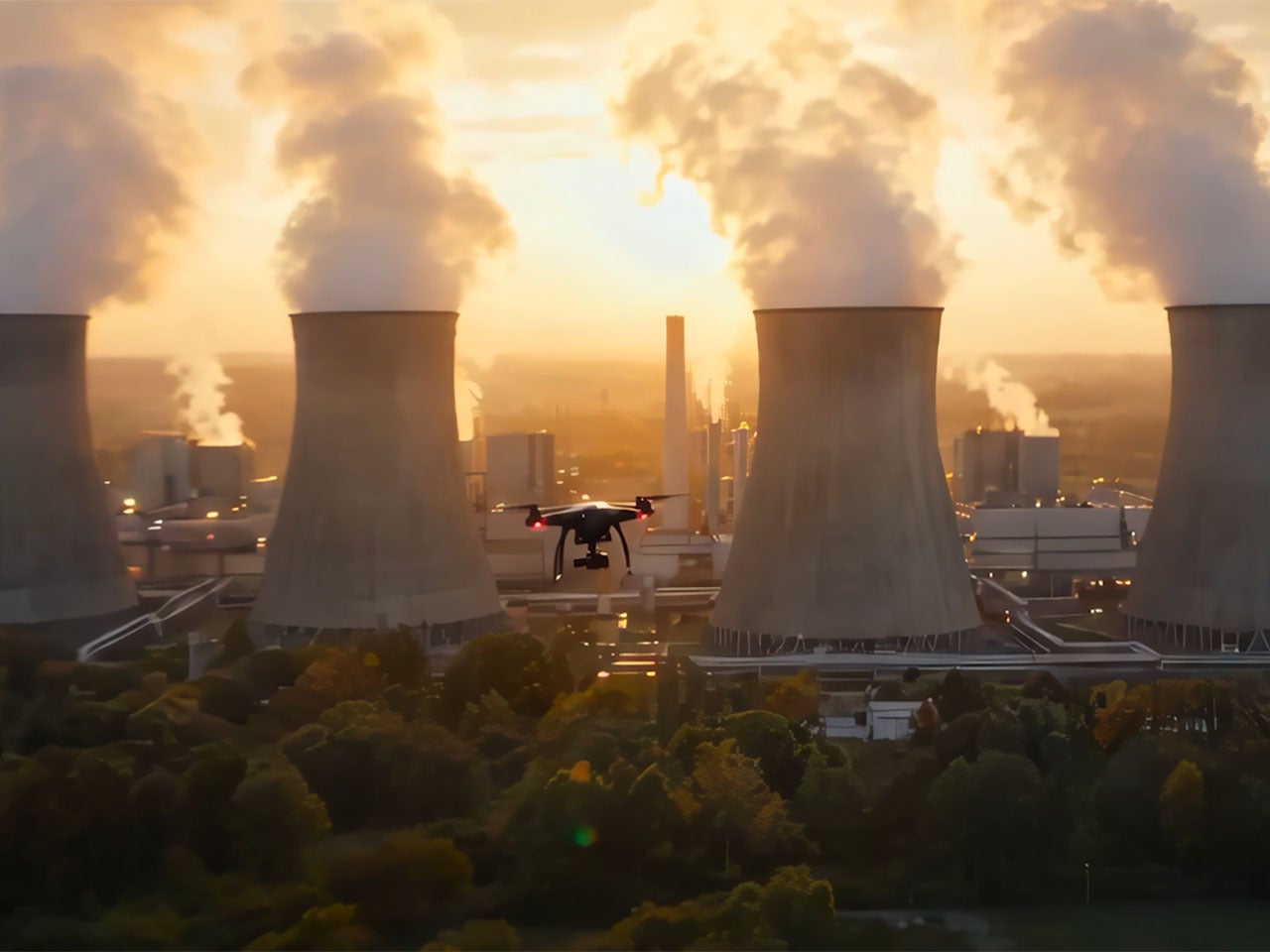
Drone approaching a protected site monitored by Drone Guardian counter-UAS protection

Small drones can be difficult to detect, especially when they are low-flying, RF-silent, operating in groups or approaching from multiple directions.

For security teams, the challenge is not just detecting more activity. It is knowing which activity matters.

Many systems create more screens, more alerts and more workload. Drone Guardian is designed to do the opposite. It correlates multiple sensor inputs into a clearer operating picture, helping your team reduce nuisance alerts, confirm threats faster and respond with greater confidence.
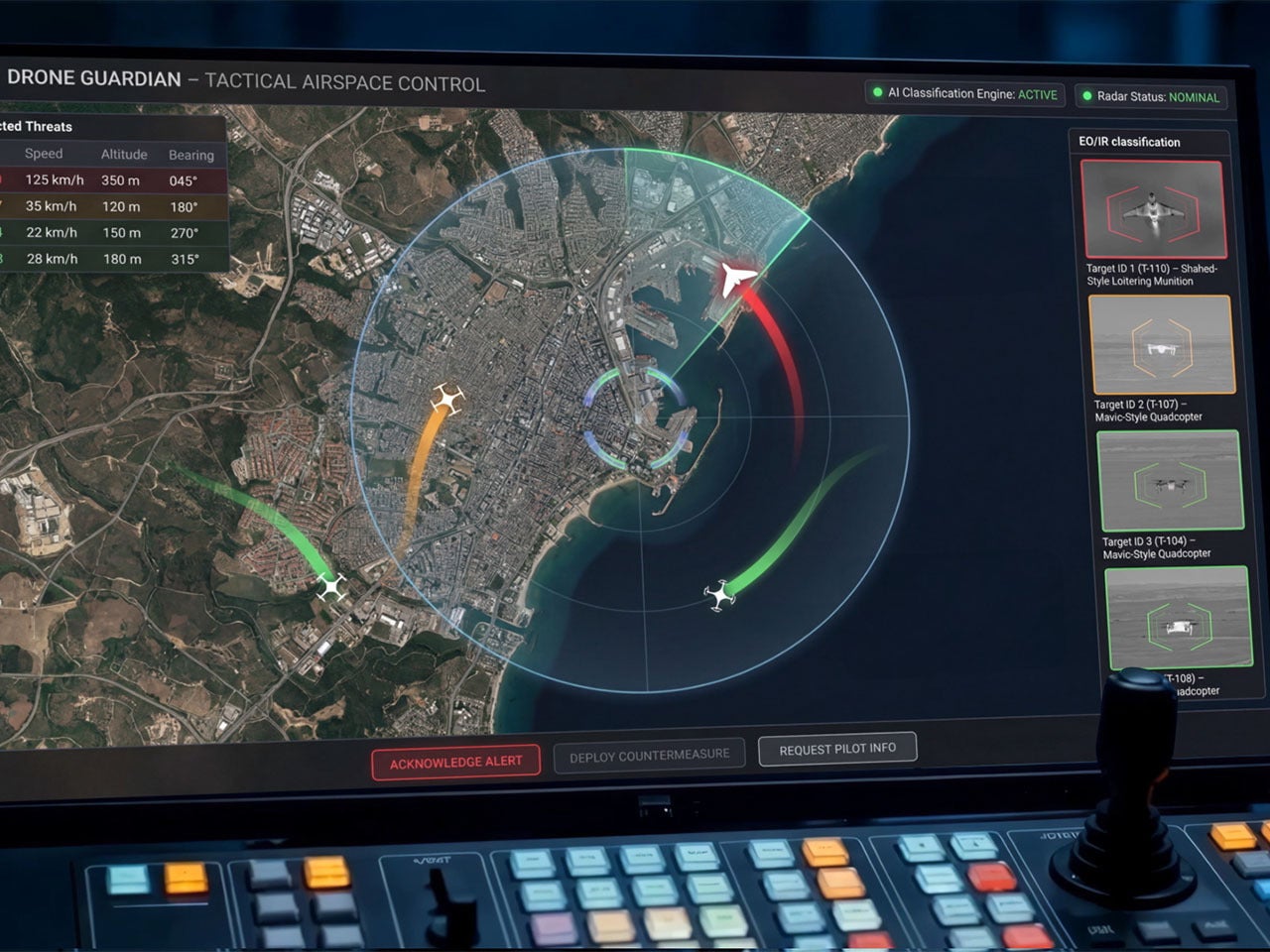
Autonomous detection. Lower operator burden.

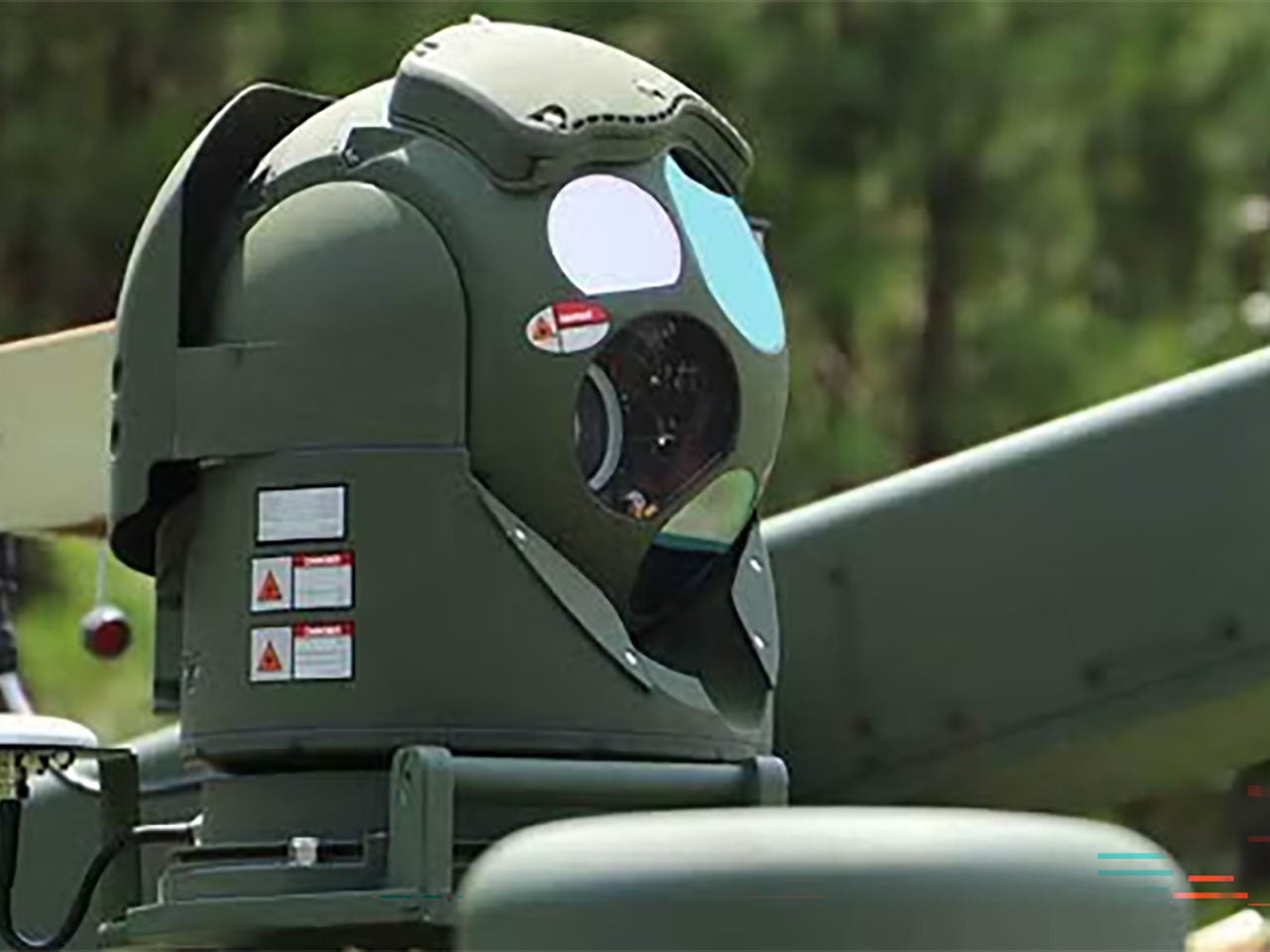
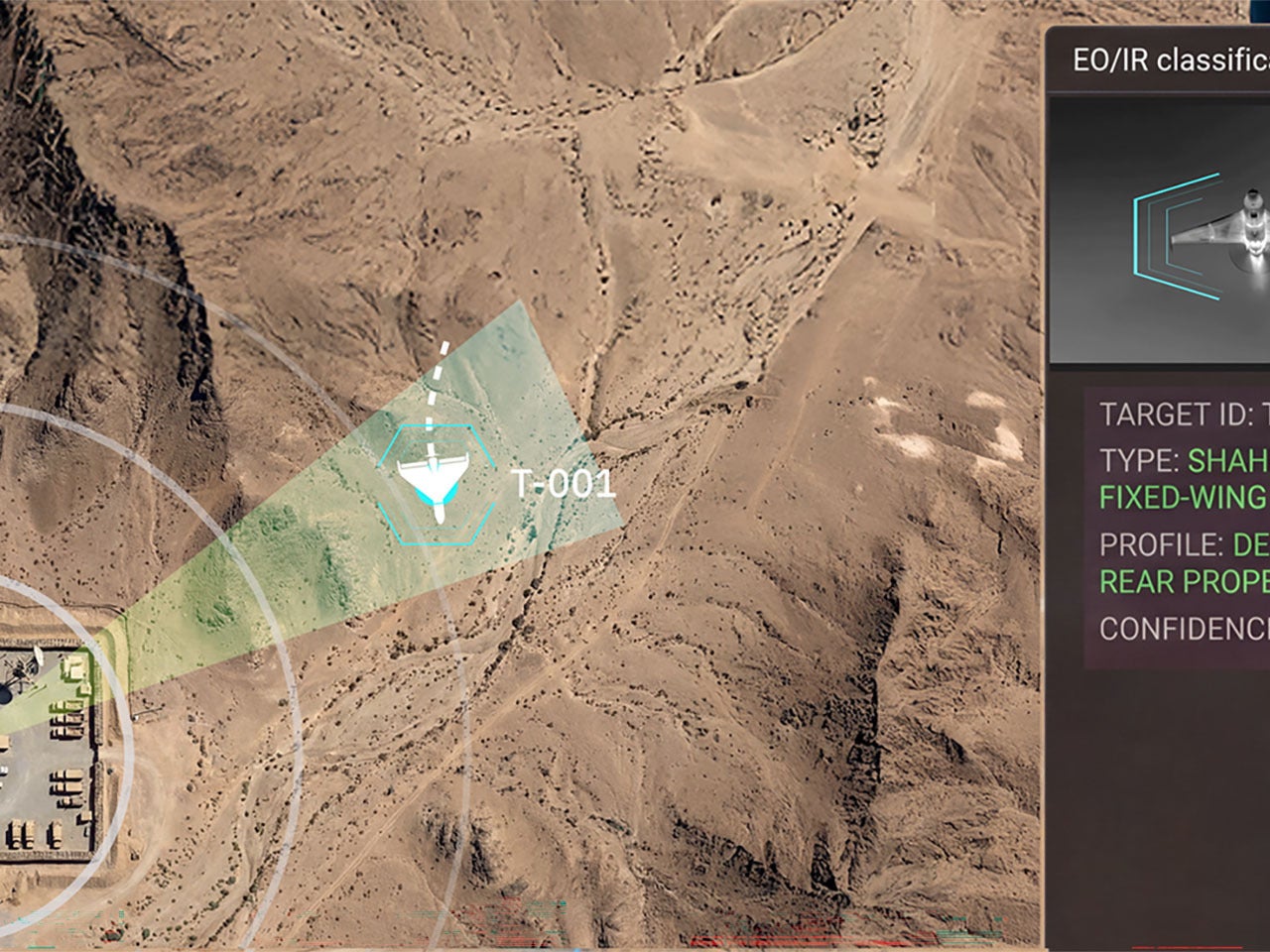
Drone Guardian EO/IR identification supporting counter-drone decision-making

Drone Guardian is designed to do more of the work before the operator needs to act.

It autonomously detects, tracks and identifies drone threats by correlating inputs from radar, RF, EO/IR, acoustic and other integrated sensors. The system helps confirm activity, reduce duplicate tracks and present a clearer operating picture.

That matters because counter-UAS operators are often distracted, multitasking or under pressure. Instead of adding more screens, alarms and manual checks, Drone Guardian helps reduce cognitive load, cut nuisance alerts and give teams more time to choose the right response.

Low Burden by Design

Drone Guardian is built for operators who cannot afford unnecessary noise.

Automated cueing, confirmation logic, camera control and configurable alerts help security teams focus on the threats that matter, rather than managing every sensor feed manually.

What is Drone Guardian?

Drone Guardian EO/IR identification supporting counter-drone decision-making

Drone Guardian is an operationally proven counter-UAS system that autonomously detects, tracks and identifies drone threats.

It uses multi-sensor correlation to combine radar, RF, EO/IR, acoustic and other sensors into a unified operating picture, helping reduce false alarms, minimize operator workload and support faster, more confident response decisions.

Drone Guardian is sensor and effector agnostic, allowing organizations to integrate best-of-breed sensors, soft-kill options and hard-kill effectors around their site, threat environment and operational requirements.

Drone Guardian multi-sensor counter-UAS system for long-range drone detection

Detect

Drone Guardian integrates multiple sensors to detect drone threats across complex environments.

Radar provides long-range, all-weather detection, including RF-silent and non-cooperative drones. RF detection supports passive awareness of the signal environment. EO/IR enables day and night confirmation. Acoustic sensing can support the detection of low-flying or difficult-to-detect threats.

Counter-UAS tracking system in a protected perimeter

Track

Drone Guardian correlates multiple detections into a single-track picture.

This helps reduce duplicate tracks and false alarms, giving operators a clearer view of what is happening across the protected area. It is designed to manage multiple simultaneous tracks, including swarms and complex drone incursions.

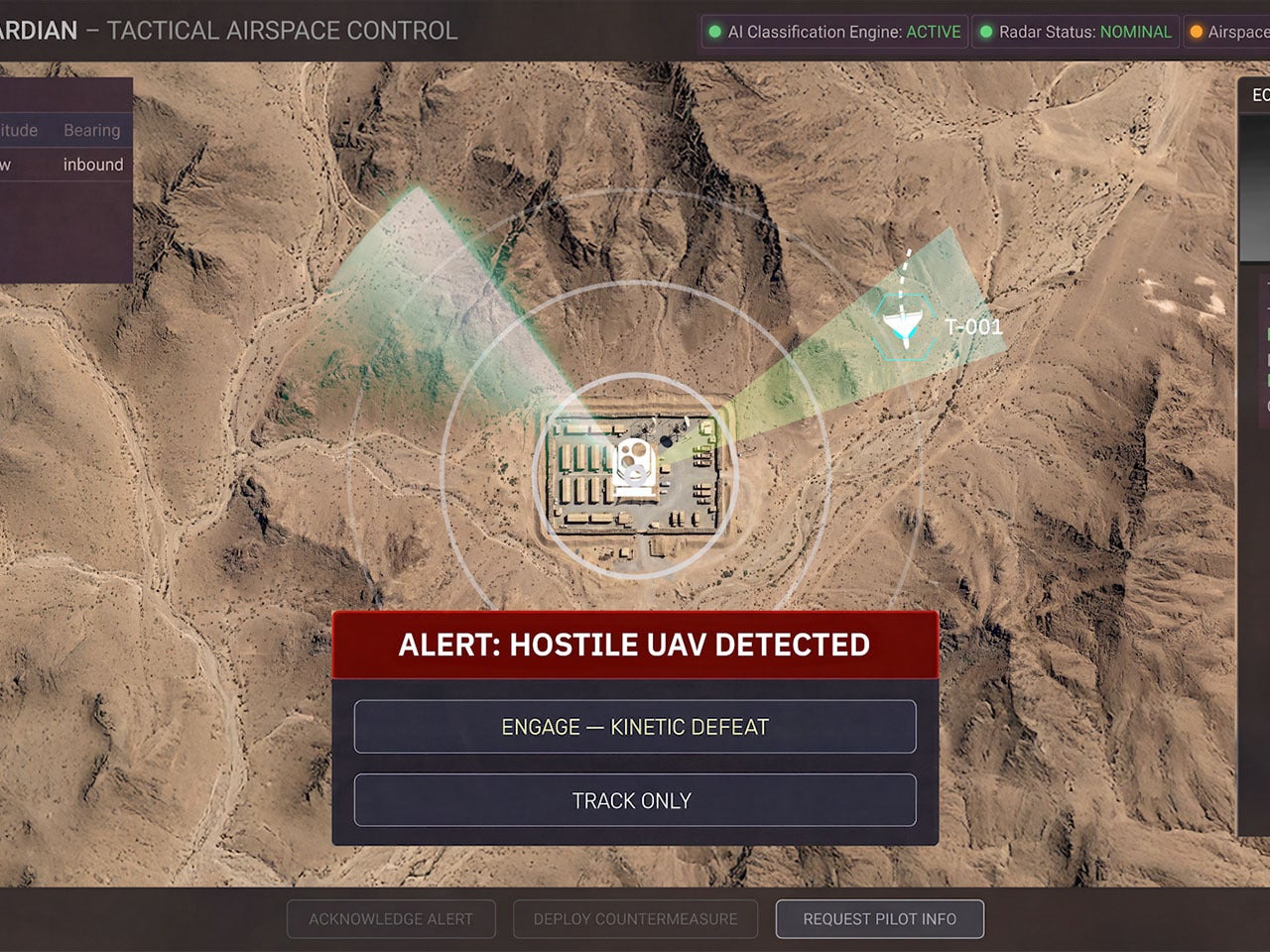
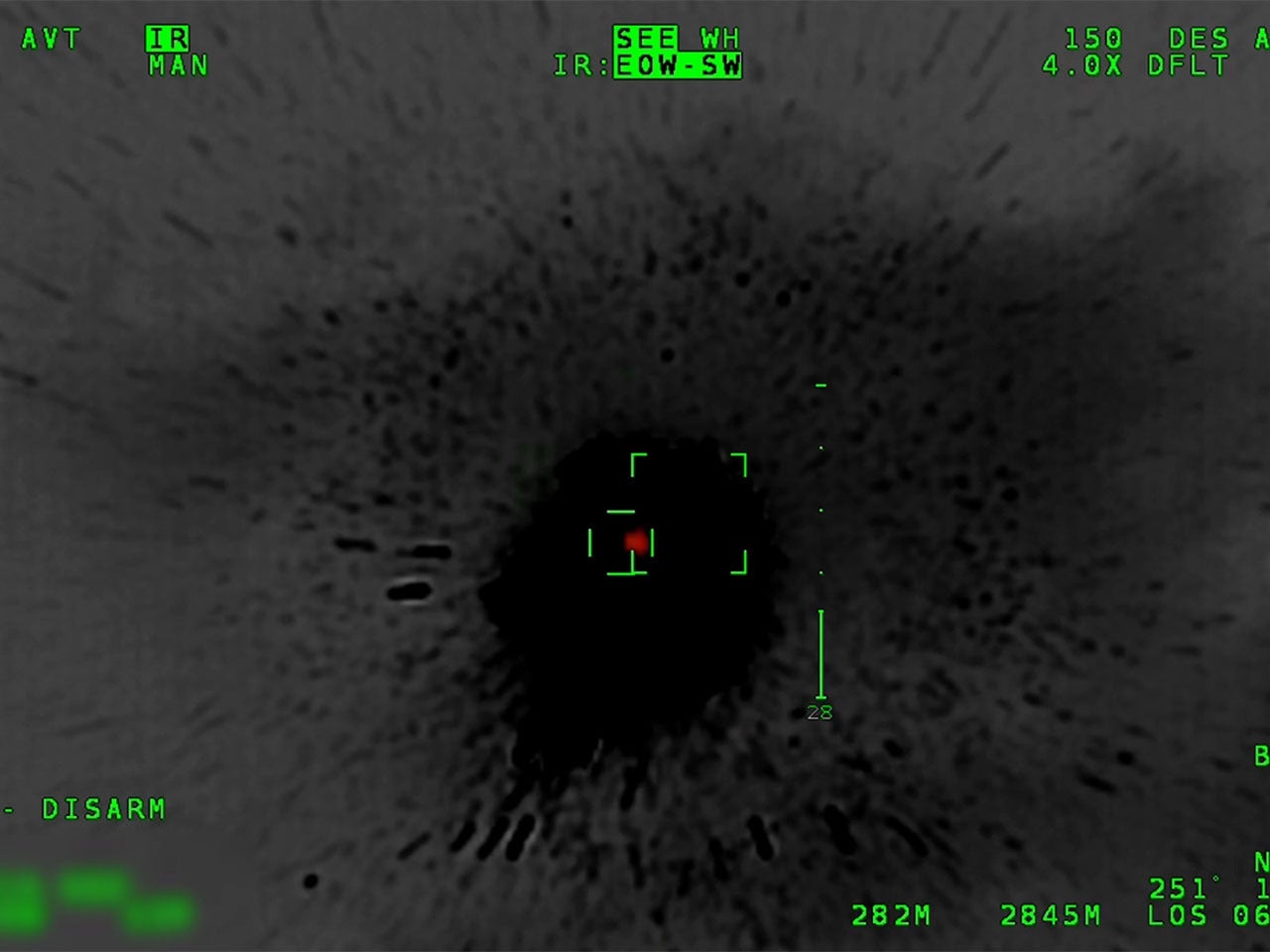
Confirmation of drone approaching a protected site monitored by Drone Guardian counter-UAS protection

Identify

Drone Guardian supports automated cueing and camera control to help operators confirm and classify potential drone threats.

EO/IR imagery can support visual identification, classification and evidence capture, helping teams understand the nature of the threat and the most appropriate response.

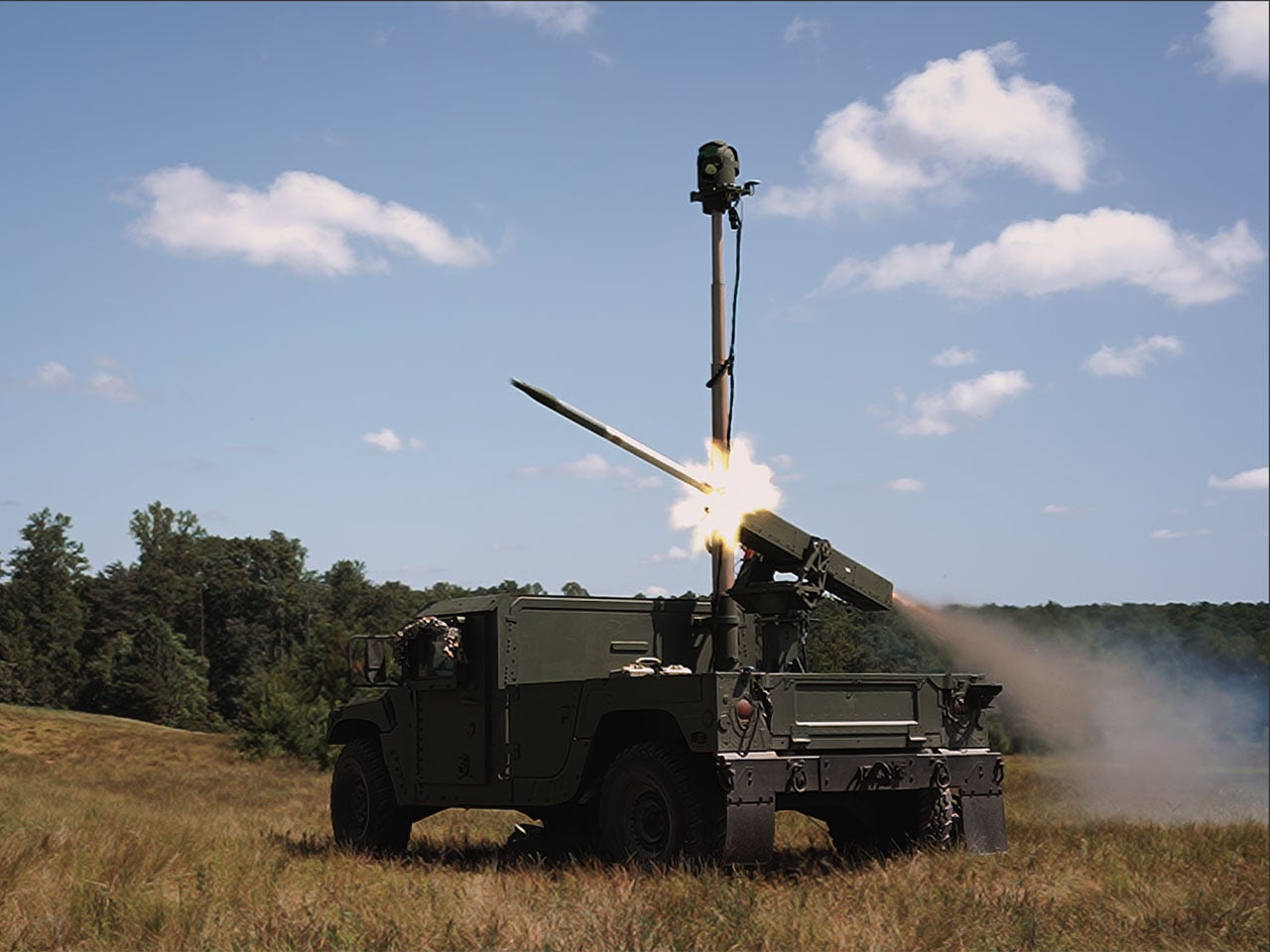
Layered counter-UAS defeat options protecting a critical site from drone threats

Defeat

Once a threat has been detected, tracked and identified, Drone Guardian supports layered response options configured around the site, operating environment and customer requirement.

Soft-kill options can be configured for compliant electronic attack, where authorized. Hard-kill effectors, including VAMPIRE™, can also be integrated where appropriate. Drone Guardian’s open architecture is designed to support current and future effectors, helping organizations adapt their counter-UAS approach as threats evolve.

Drone Guardian Video
Drone Guardian video thumbnail

Watch how Drone Guardian brings autonomous detection, multi-sensor correlation and scalable command and control together to support the full detect, track, identify and defeat mission.

Discuss Your Counter-UAS Requirement

Contact Us

Why autonomous detection, tracking and identification matter

Drone Guardian - autonomous detection, tracking, and identification of UAS

In counter-UAS operations, response is only as good as the confidence behind it.

Drone Guardian is designed to autonomously detect, track and identify drone threats before presenting operators with a clear, correlated picture. By confirming activity across multiple sensors, the system helps reduce nuisance alerts, minimize duplicate tracks and give operators more time to choose the right response.

Where authorized and configured, Drone Guardian can also support automated cueing and response options, including soft-kill effectors or hard-kill systems such as VAMPIRE.

Point protection. Perimeter protection. Connected protection.

The Drone Guardian counter-UAS system is built around a simple idea: protection should scale from a single point of need to a connected defensive network.

A single SPIDER™ deployable counter-UAS tower provides agile, mobile, deployable counter-UAS protection. Multiple SPIDER systems can work together as a NEST™ networked counter-UAS system, extending coverage across a larger site, facility or perimeter. Where sensors, radars or existing defenses are already in place, WEB™ software-led integration layer connects them.

Together, SPIDER, NEST and WEB create a layered counter-UAS architecture that can autonomously detect, track and identify drone threats, then support the right response for the environment.

Learn More
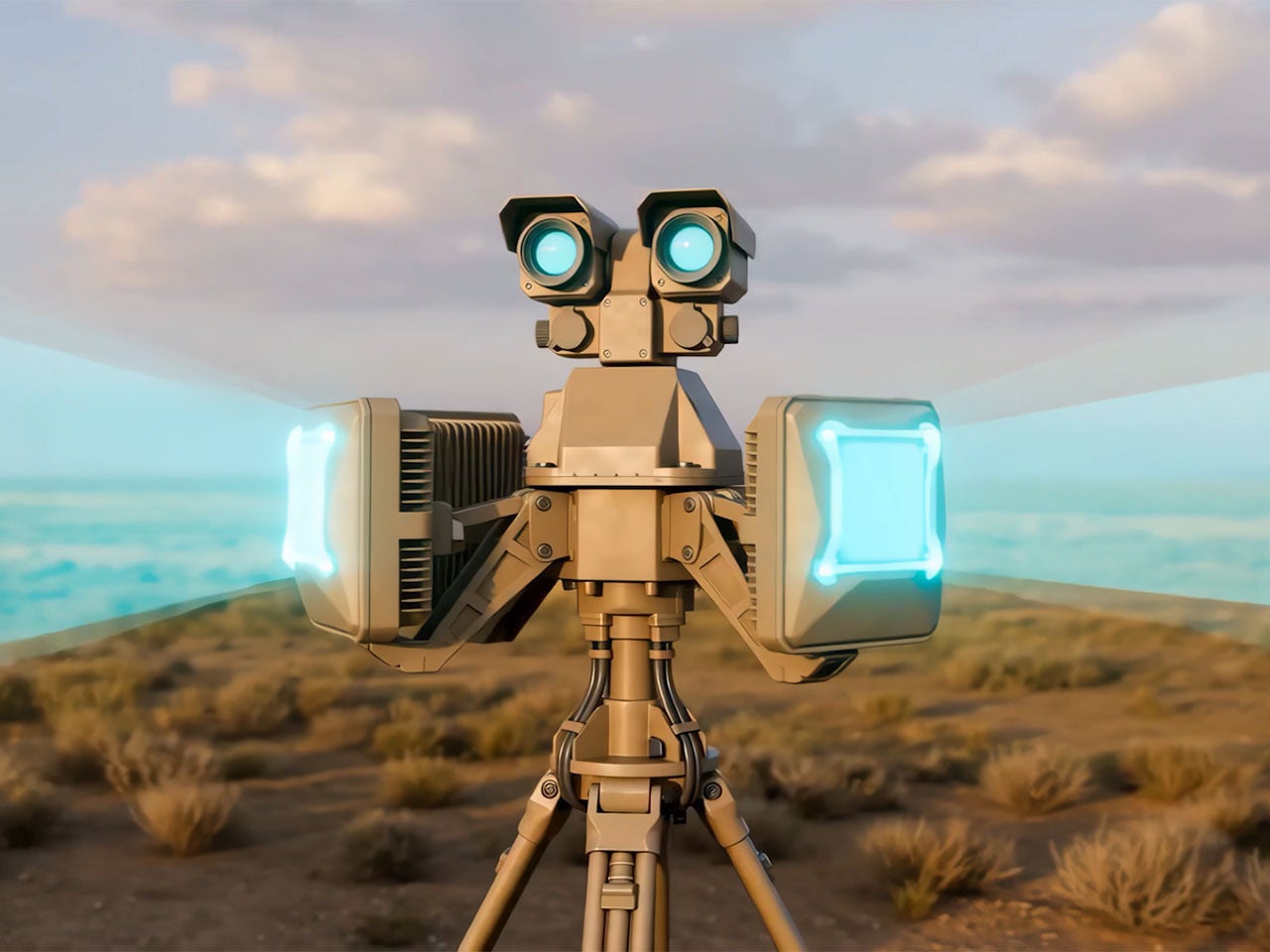
SPIDER deployable counter-UAS tower detecting and tracking small drone threats

SPIDER: Agile, deployable protection

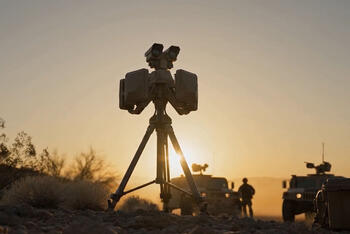
A deployable tower or tripod configuration with integrated sensors. Designed to autonomously detect, track and identify small drones at long range, before they are seen or heard.

NEST networked counter-UAS protection for critical infrastructure and large perimeters

NEST: Networked site and perimeter protection

Multiple SPIDER systems working together. Shares sensor data, coordinates tracking and supports synchronised responses across a wider area.

WEB software integration layer connecting existing sensors into a unified counter-UAS network

WEB: Software-led integration

Connects existing sensors, radars and defensive systems into a cohesive counter-UAS network without necessarily adding new hardware.

Click to expand.

Discuss Your Counter-UAS Requirement

Contact Us

Built for critical sites, infrastructure and operations

Click to expand.

Open architecture for sovereign choice

Drone Guardian is designed to integrate best-of-breed sensors and effectors without locking organizations into a single vendor ecosystem.

Its open architecture can support standards and interfaces including SAPIENT, ASTERIX, JREAP, ADS-B and UTM/UTMS, helping align with interoperability, integration and upgrade requirements.

That flexibility matters. Drone threats are changing quickly. Organizations need to add, replace or enhance sensors and effectors as new threats, site requirements and regulatory constraints emerge.

BenefitWhat it Means
Integrate existing systemsConnect current sensors, radars and effectors into a more coherent operating picture.
Avoid vendor lock-inBuild a counter-UAS architecture around the threat, not a single supplier.
Support interoperabilityAlign with open standards and allied operating requirements.
Upgrade as threats evolveAdd, replace or enhance sensors and effectors over time.

Drone Guardian at a Glance

RequirementDrone Guardian Response
Autonomous detectionAutonomously detects, tracks and identifies drone threats using integrated sensors and C2 correlation
Low operator burdenAutomated cueing, confirmation logic, camera control and configurable alerts reduce the need for constant manual monitoring
Fewer nuisance alertsCorrelates multiple detections into a clearer operating picture to reduce false alarms and duplicate tracks
Confidence under pressureHelps distracted, multi-tasking or stressed operators focus on confirmed threats and response decisions
Existing sensor integrationSensor and effector agnostic architecture
Critical infrastructure protectionSupports fixed, semi-permanent and networked site protection
Temporary site protectionSPIDER provides agile deployable coverage
Wider perimeter protectionNEST connects multiple systems for broader coverage
Software-only integrationWEB connects existing sensors and defenses
Future upgrade pathModular architecture supports new sensors and effectors as threats evolve

Why Choose Drone Guardian?

Confidence

Multi-sensor correlation helps operators trust what they are seeing.

Speed

Autonomous detection, tracking and identify workflows help reduce time from alert to understanding.

Adaptability

SPIDER, NEST and WEB allow Drone Guardian to scale across temporary sites, fixed locations and existing security architectures.

Interoperability

Open integration supports existing systems, future upgrades and allied operating environments.

Assurance

Operational credibility, Prime-grade support and long-term sustainment help reduce delivery and lifecycle risk.
 

Protect Critical Sites and Operations from Evolving Drone Threats

Drone Guardian delivers operationally proven counter-UAS protection through autonomous detect, track and identify capability, multi-sensor correlation, open integration and layered defeat options.

Whether the requirement is a rapidly deployable SPIDER, a networked NEST for larger sites and perimeters, or a WEB software layer connecting existing sensors and defenses, L3Harris can help build a counter-UAS architecture around the threat, the environment and the operational need.

FREQUENTLY ASKED QUESTIONS

Click to Expand.

Address
L3Harris Space Solutions