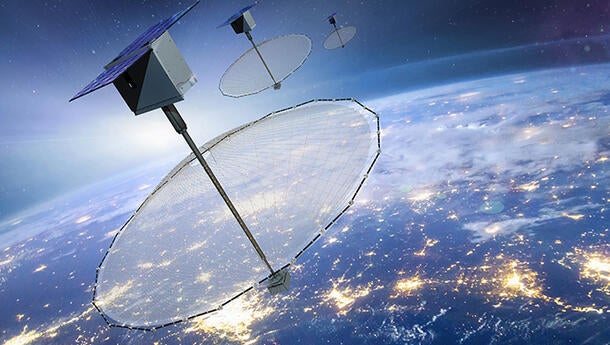
Nancy Grace Roman Space Telescope

Roman Space Telescope Mission

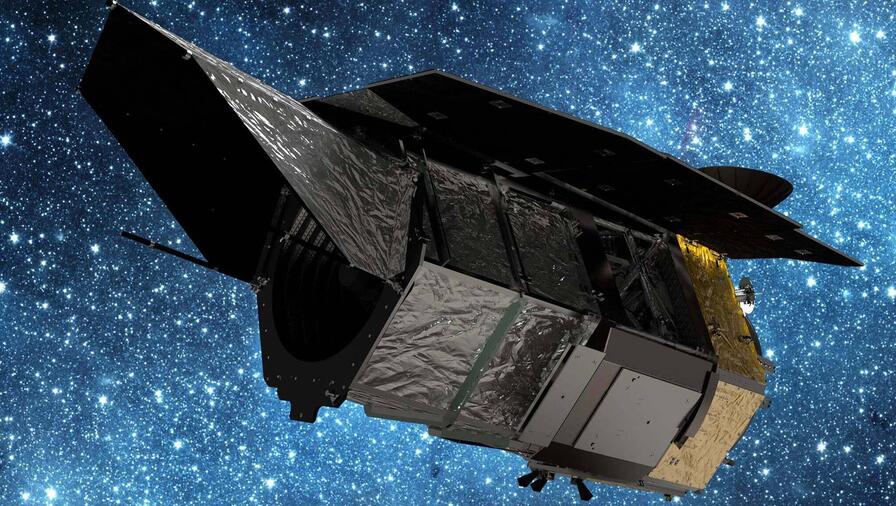
Roman will survey wide areas of space with a field of view much larger than the Hubble Space Telescope or the James Webb Space Telescope. Those predecessors take detailed views of smaller areas of space, more like a zoomed-in view to Roman’s panoramic.

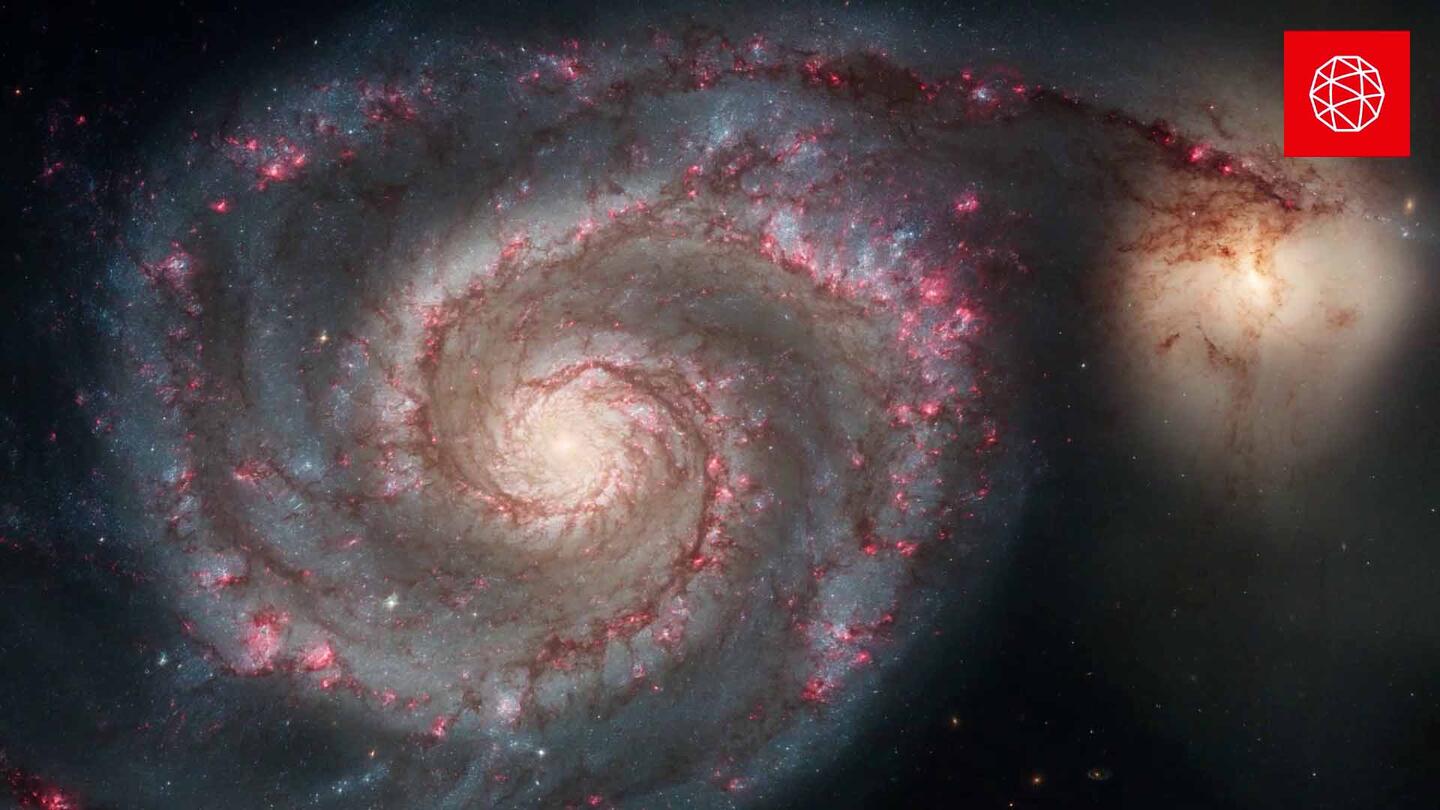
Roman will observe billions of galaxies, detailing supernovae and other cosmic phenomena. The data will fuel discoveries on dark energy and dark matter, two mysteries of the universe that science cannot fully explain. The telescope will also study exoplanets – planets outside of our solar system – with unprecedented detail. Roman will monitor 100 million stars for hundreds of days and is expected to discover about 2,500 new planets. Included in that number are rocky planets in regions that may support the existence of liquid water.
L3Harris Role

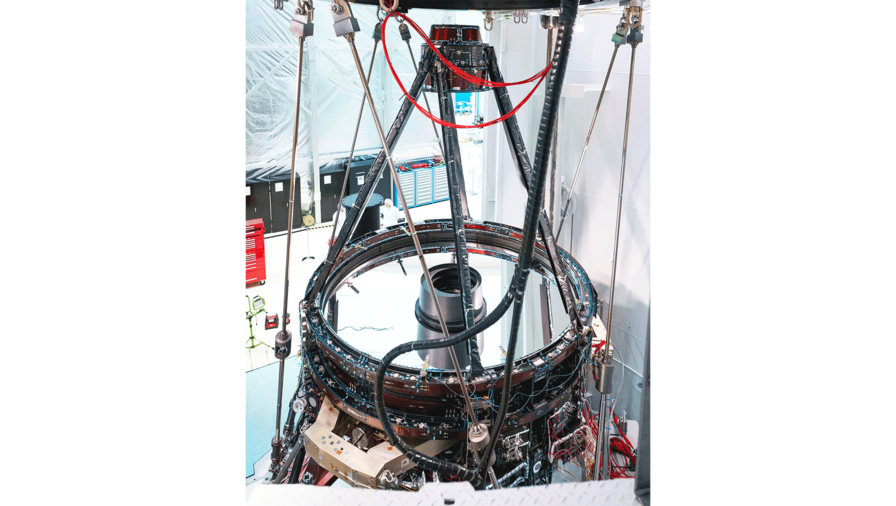
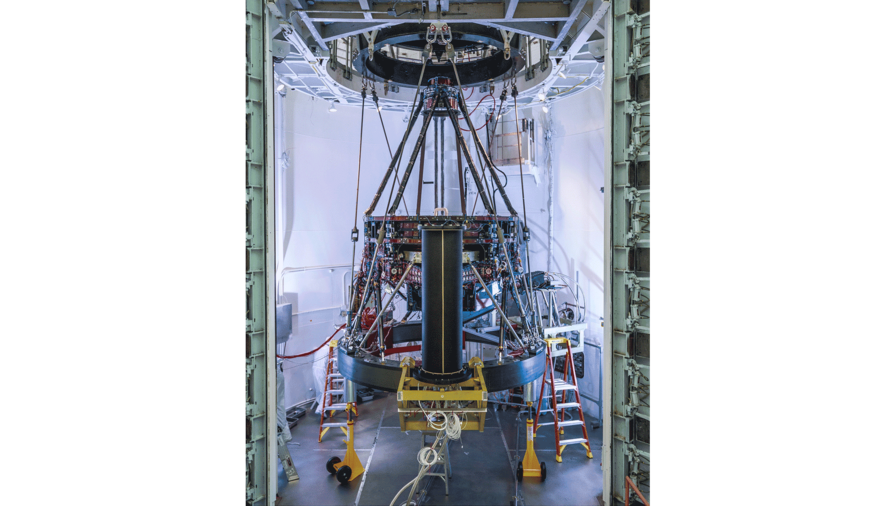
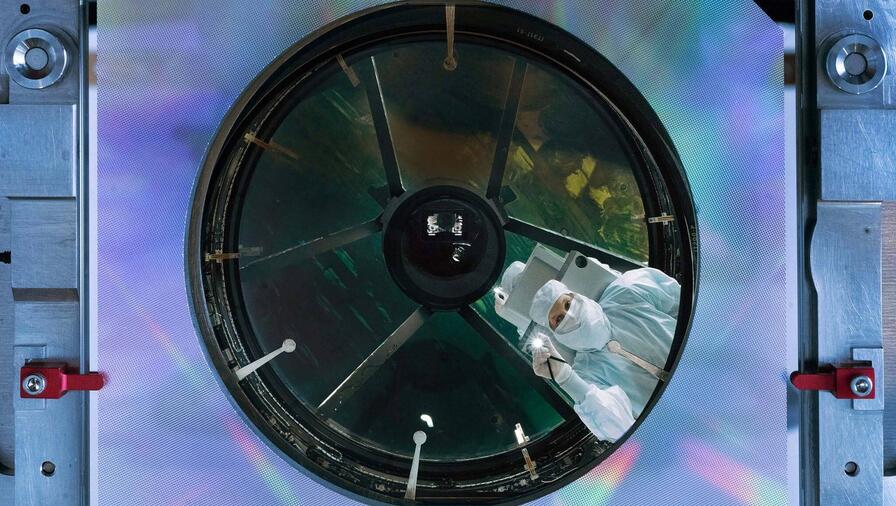
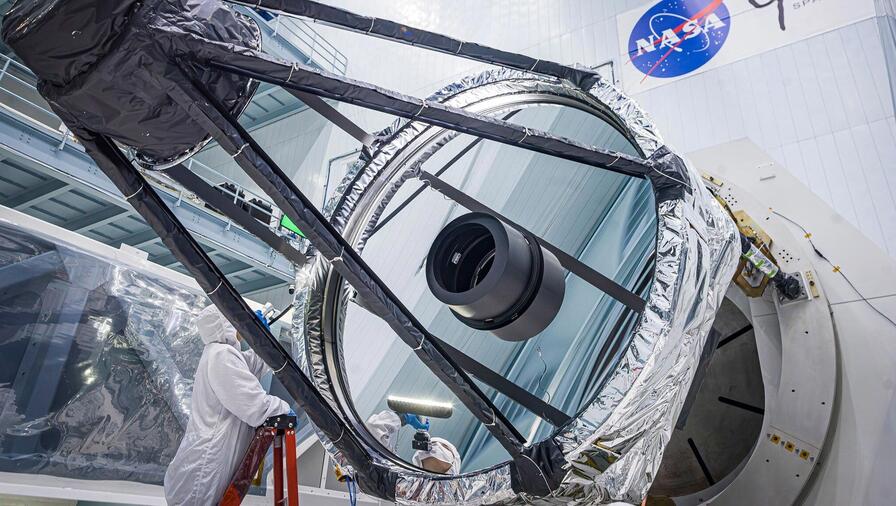
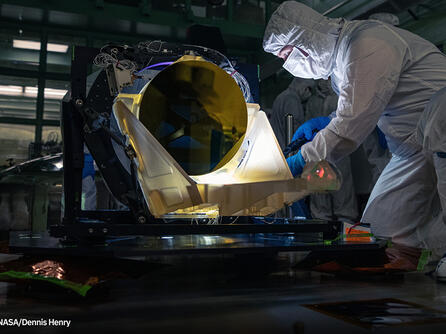
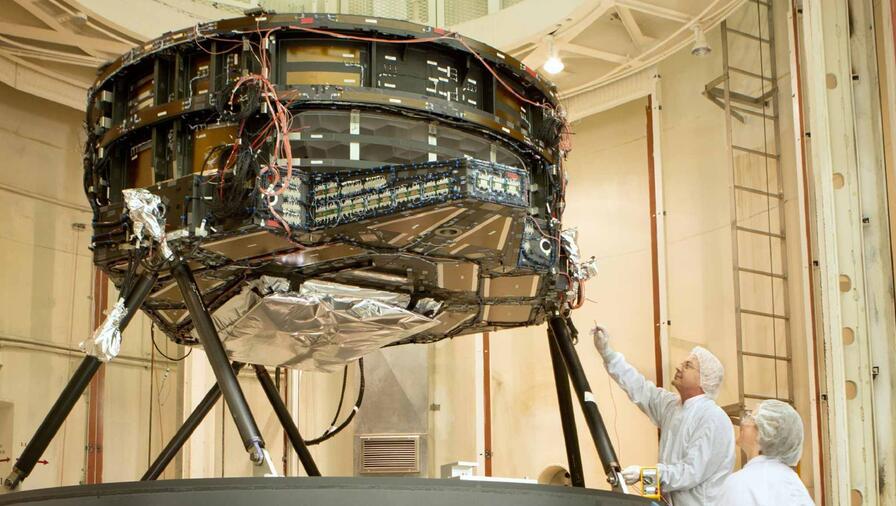
L3Harris is responsible for some of the most important tasks to create the telescope, including refinishing the primary mirror. L3Harris is creating hardware to accommodate and interact with the two instruments on the telescope, the Wide Field Instrument for the mission’s core science goals and the Coronagraph Instrument for future exoplanet direct-imaging technology development.

L3Harris also conducted the successful test of the primary mirror to ensure it functions in the very cold temperatures found in space.

The telescope was initially constructed for another mission, but was transferred to NASA. L3Harris has worked with NASA and other partners to turn the hardware into a powerful astrophysics and universe-exploration tool. Using an existing telescope reduced overall mission cost and schedule risk.

Nancy Grace Roman Space Telescope Video

Roman and other space telescopes

  • Roman has a field of view 100 times that of Hubble at the same depth and resolution.
  • Roman's mirror is the same diameter as Hubble, but is only about one fourth the mass.
  • Ideally, Roman would co-fly with the James Webb Space Telescope to couple the wide survey of Roman with the high-angular resolution and sensitivity of Webb. This would exponentially increase the scientific return.

Related News

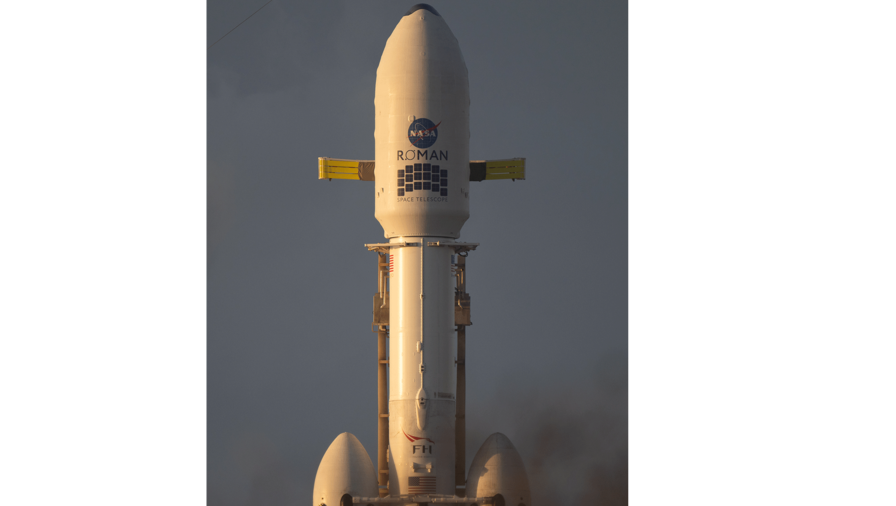
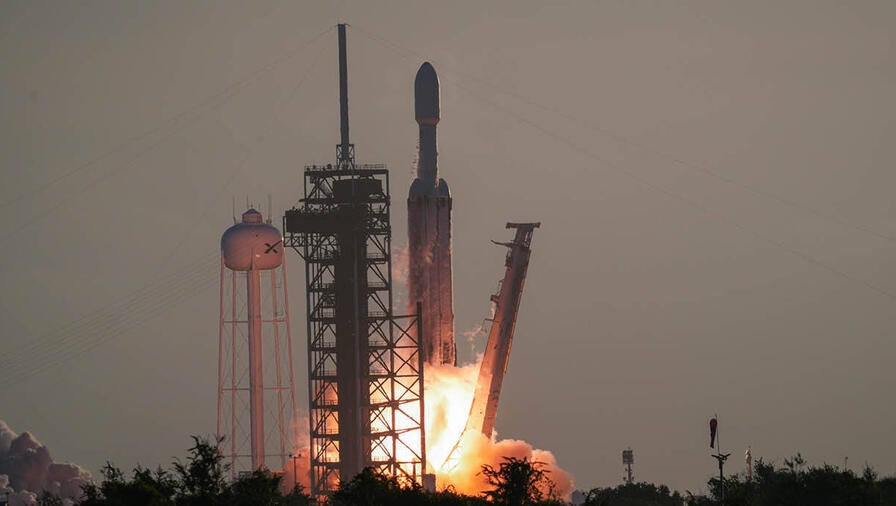
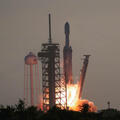
Nancy Grace Roman Space Telescope launches from Florida

Press release | 08. 30. 2026

L3Harris Celebrates Successful Launch of NASA’s Nancy Grace Roman Space Telescope

L3Harris Technologies has contributed key elements to NASA’s successfully launched Nancy Grace Roman Space Telescope, an observatory designed to map the universe.

Nancy Grace Roman Space Telescope launches from Florida

Press release | 08. 30. 2026

L3Harris Celebrates Successful Launch of NASA’s Nancy Grace Roman Space Telescope

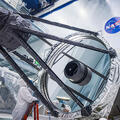
Engineer inspects NASA's Nancy Grace Roman Space Telescope's primary mirror at the L3Harris facility in Rochester, New York. Credit: NASA

Editorial | 08. 24. 2026

L3Harris Technology Set to Help Unlock the Universe as NASA's Roman Space Telescope Nears Launch

Optical Engineer Bente Eegholm performs an inspection of Roman's Primary mirror. This was taken shortly after it was lifted out of the shipping container. Credit: NASA/Chris Gunn.

Editorial | 08. 03. 2026

Roman Space Telescope Will Survey a Century of Cosmos in Weeks: L3Harris Technology Makes It Possible

Satellites detect high-speed missiles that are tracking toward each other

Press release | 07. 13. 2026

US Space Force Selects L3Harris to Provide Advanced Tracking Satellites for America’s Missile Defense

NASA artist's concept rendering of one design for the Habitable Worlds Observatory. Credit: NASA Goddard Space Flight Center.

Editorial | 06. 29. 2026

NASA Awards L3Harris Contract for Search-for-Life Mission

Contact the Universe Exploration Team

Address
Reason for inquiry *

Related Domains & Industries

Solutions that solve our customers' toughest challenges.
view all capabilities