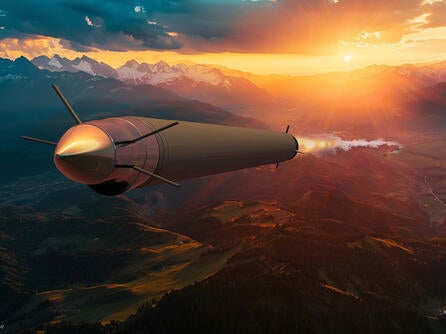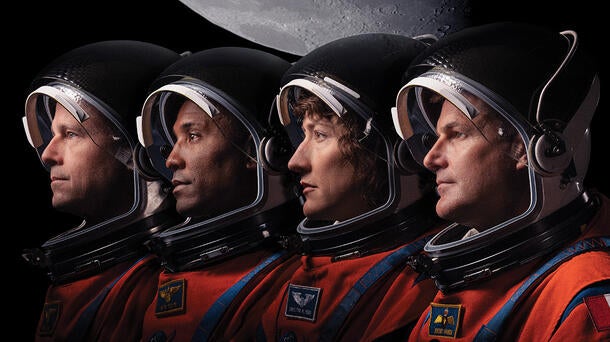
NASA’s Artemis II mission is gearing up for launch, powered by a mix of veteran and first-time hardware that mirrors its astronaut crew. The core stage of the Space Launch System (SLS) rocket will be propelled by four L3Harris RS-25 engines, three of which flew on Space Shuttle missions, alongside one that has yet to fly in space. Similarly, the Artemis II crew includes three experienced astronauts and one first-time flyer, who together will embark on a historic journey around the far side of the moon and back.
The RS-25 engines on Artemis II have a combined legacy of powering 22 launches during NASA’s now-retired Space Shuttle program. Among them is engine 2047, which flew 15 missions, including the final Space Shuttle mission in October 2011. One engine, built near the end of the shuttle program, will fly for the first time on Artemis II. L3Harris upgraded 16 of these engines for the Artemis program, enough to power the first four SLS missions.
Similarly, Artemis II’s astronaut crew consists of three spaceflight veterans: Mission Commander Reid Wiseman, Pilot Victor Glover and Mission Specialist Christina Koch. The fourth, Mission Specialist Jeremy Hansen, a Canadian Space Agency astronaut, will be making his first flight to outer space.
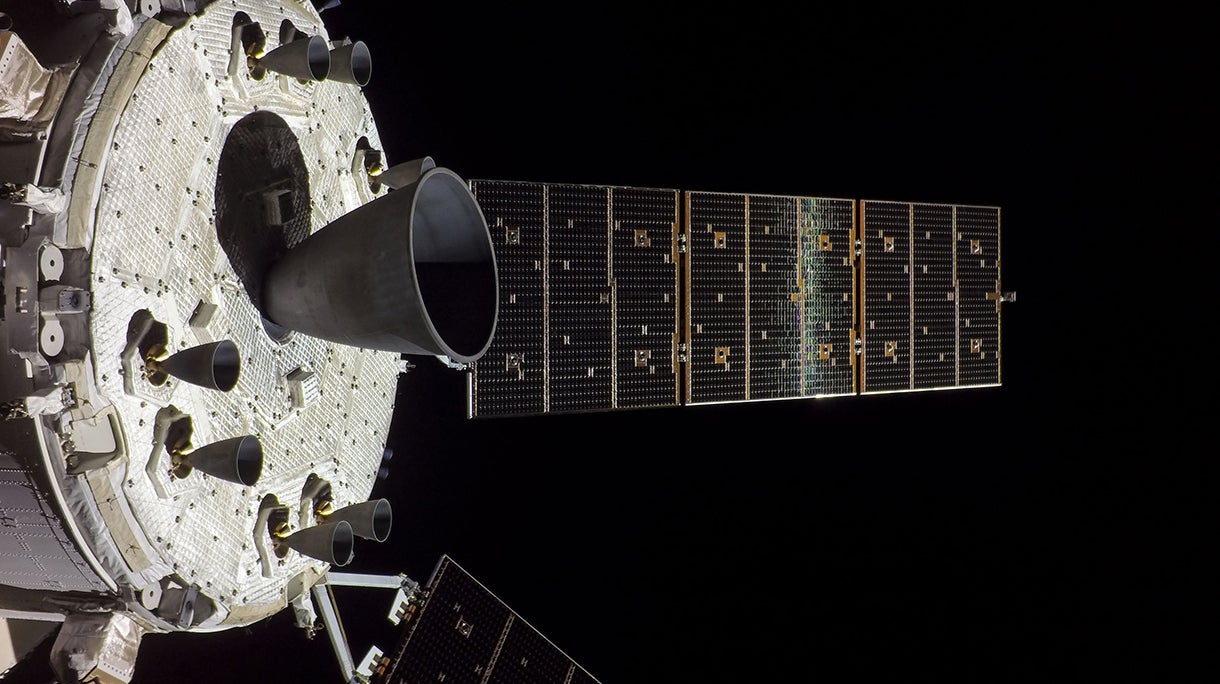
The Orion spacecraft, which will carry the crew throughout their journey, is equipped with the European Service Module, featuring the Orion Main Engine (OME). This engine, originally known as an Orbital Maneuvering System (OMS) engine when it was installed on Space Shuttle Atlantis, has a legacy of six successful missions between 2000 and 2002. Now repurposed for Artemis II, the OME will provide critical propulsion as Orion embarks on its lunar journey.
The first crewed SLS mission, Artemis II builds on the success of Artemis I and will pave the way for the return of human explorers to the lunar surface during Artemis III. Propelled initially by SLS and then the OME, Artemis II’s Orion spacecraft will fly a figure-eight pattern around the far side of the moon, potentially taking its astronaut crew farther from Earth than ever before, even during the Apollo program.
During a September press conference, the Artemis II astronauts reflected on the significance of their mission and the broader vision of the Artemis program. Jeremy Hansen emphasized the importance of looking beyond the immediate milestones: “This is awesome, what we’re doing now, but this is not the end.”
Reid Wiseman echoed this sentiment, expressing hope that Artemis II will be remembered as a stepping stone to even greater achievements. “If we are forgotten, then Artemis has been successful. We have humans on Mars; we have humans out on the moons of Saturn. We are expanding into the solar system.”
Artemis II is more than a mission – it is a legacy the astronauts will share with those who designed and built the hardware to make it all possible.